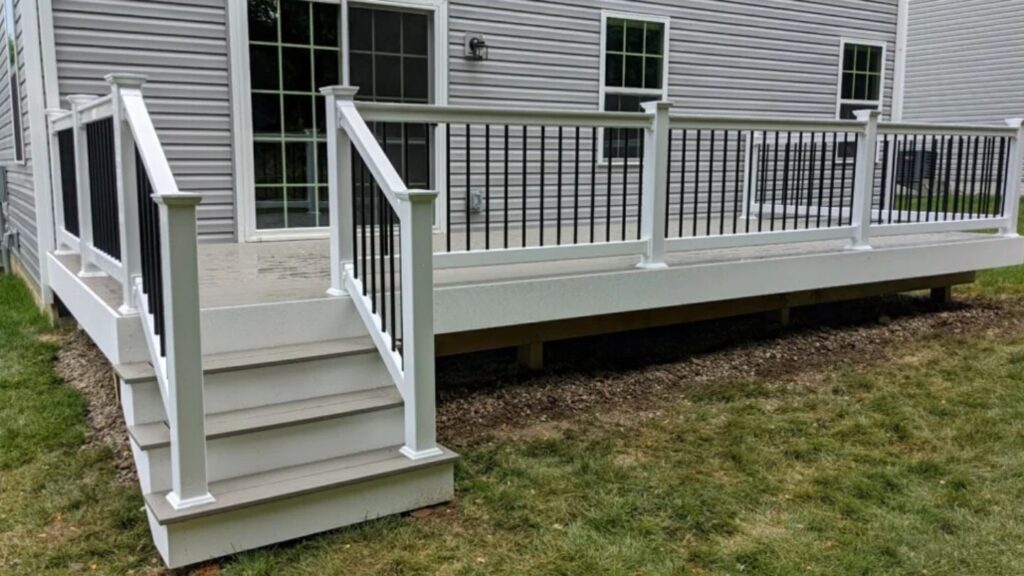
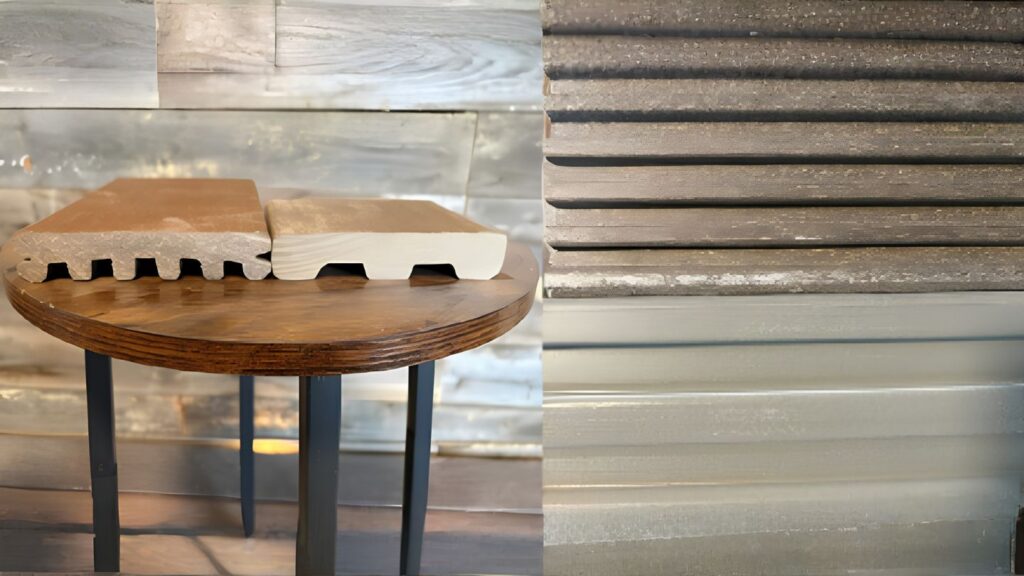
The surface of a deck does more than provide a place to walk. Its grain pattern and texture affect how natural the boards look, how they catch the light, and how the deck’s color reads across a large area. Trex & TimberTech collections offer different surface appearances, so choosing one involves more than picking a color from a small sample. This blog covers what Trex decking grain patterns are, how embossing creates texture, and how to compare the visual options. A little attention to these details can help you choose boards that suit your home and the overall feel you want for your outdoor space.
Key Takeaways
- Decking grain patterns are designed to create a wood-inspired surface appearance.
- Embossing gives the board surface visible texture; it does not make the boards natural wood.
- Grain, color, and lighting all influence the finished look.
- Trex collections vary in the depth and character of their surface patterns.
- Comparing larger samples can help you choose a pattern with confidence.
The Grain Is Part of the Deck’s Overall Look
When people picture a composite deck, they often think first about color. But color is only one part of what you see. Lines, streaks, grooves, and the depth of the surface pattern can make a board feel more traditional, contemporary, or subdued. Across a full deck, those details help determine whether the surface looks visually consistent or has a more pronounced wood-inspired character.
That’s why the phrase “Trex decking grain patterns” covers more than one appearance. The pattern can be subtle or more visible, and the texture can appear relatively smooth or more deeply defined. A board that looks simple in a small sample may show more character when repeated across a wide deck. It helps to compare pattern and color together, rather than treating them as separate decisions.
What Are Trex Decking Grain Patterns?
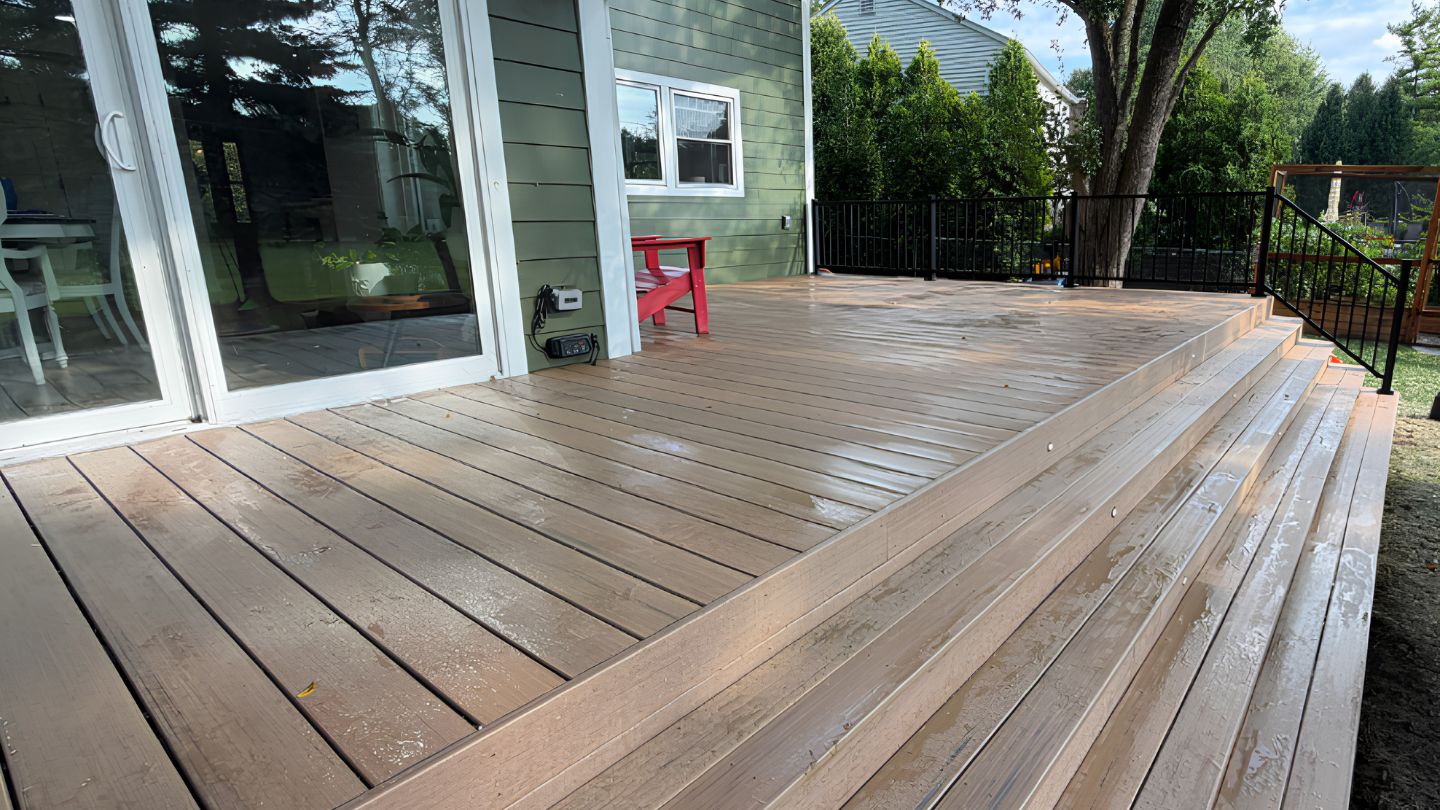
A grain pattern is the surface design that gives a board its wood-like visual character. It may include long lines, streaking, or other details that suggest natural wood grain. Trex’s descriptions vary across collections: some emphasize a deep wood-grain texture, while others feature more refined or linear patterns. So, what are Trex decking grain patterns? They’re the visual and tactile surface details that contribute to the appearance of each decking line.
The pattern is not the only difference between boards. Color, variation within the color, and the apparent depth of the texture all affect the finished impression. Two boards in similar shades can look quite different if one has bold streaking and the other has a quieter grain. The different types of Trex decking also vary in appearance and features.
What Is Trex Wood Grain Texture?
Trex wood grain texture is a manufactured surface detail designed to echo the look of wood. It is not natural wood grain: it is part of the board’s finished surface. Depending on the collection, the texture may appear more defined, more linear, or less prominent. When you view a sample up close, you can see the surface detail; at a distance, color and the overall arrangement of the boards may have more influence on the deck’s appearance.
The surface detail also interacts with light. Sunlight coming from one direction may emphasize ridges and shadows, while overcast conditions can make the pattern seem softer. The same board may look different in a showroom, outdoors, or beside your home. If you’re asking “what is Trex wood grain texture?” think of it as one part of the board’s visual finish—a detail that works alongside color, lighting, and layout.
How Are Trex Deck Boards Embossed?
Some Trex technical documents describe particular deck boards as having an embossed, simulated wood-grain pattern. In simple terms, embossing gives the surface a shaped texture that can be seen and felt. The resulting pattern is manufactured into the board; it is not a natural grain that developed in a piece of lumber. The details and appearance can vary by product line, so it’s useful to look at the specific boards under consideration.
Embossing is one reason a composite board can have more dimension than a flat, uniform surface. The texture may create slight highlights and shadows, adding visual interest without relying on color alone. However, it does not mean every Trex board has the same depth or pattern. Check the particular collection and sample rather than assuming that a description of one line applies to all Trex decking.
What Are the Different Trex Decking Textures?
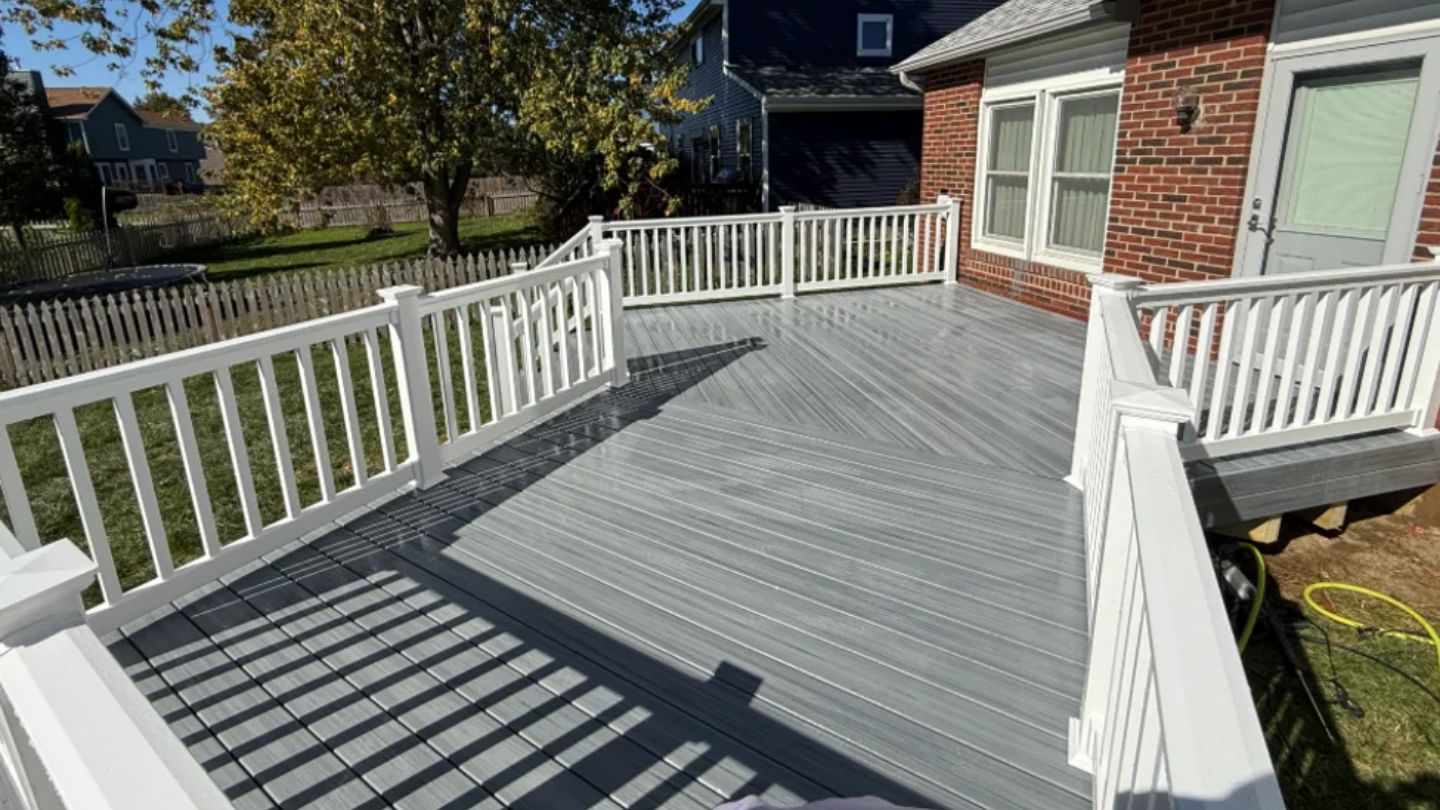
There isn’t one universal Trex texture. Depending on the collection, the surface may be described as a deep wood-grain texture, an authentic wood-grain appearance, a refined grain, or a more linear pattern with streaking. Those descriptions give you a useful starting point, but seeing and feeling samples is the better way to understand how pronounced each option appears.
When comparing boards, notice three things: how deeply the grain stands out, whether the lines look bold or subtle, and how much variation you see within the color. A strong, prominent grain may suit a deck where you want the boards to be a visible design feature. A more restrained pattern can create a calmer surface that lets other elements—such as furniture, railing, or landscaping—take more attention.
Grain and Color Work Together
The color name alone does not tell you how a deck will look. A warm brown with noticeable streaking may feel more rustic than a similar brown with a quieter grain. A gray tone with linear markings can read as crisp and contemporary, while a softer pattern may make the surface feel more understated. These impressions depend on the specific board, the surrounding finishes, and the light at the site.
It helps to compare colors and patterns as a pair. Look at samples near your home’s siding, trim, and other outdoor materials, and consider whether you want the deck to blend in or stand out. Choosing the right colors for your deck is another part of shaping its overall look. The goal is not to match every surface exactly, but to choose a combination that feels considered.
How Texture Changes the Look at Full Scale
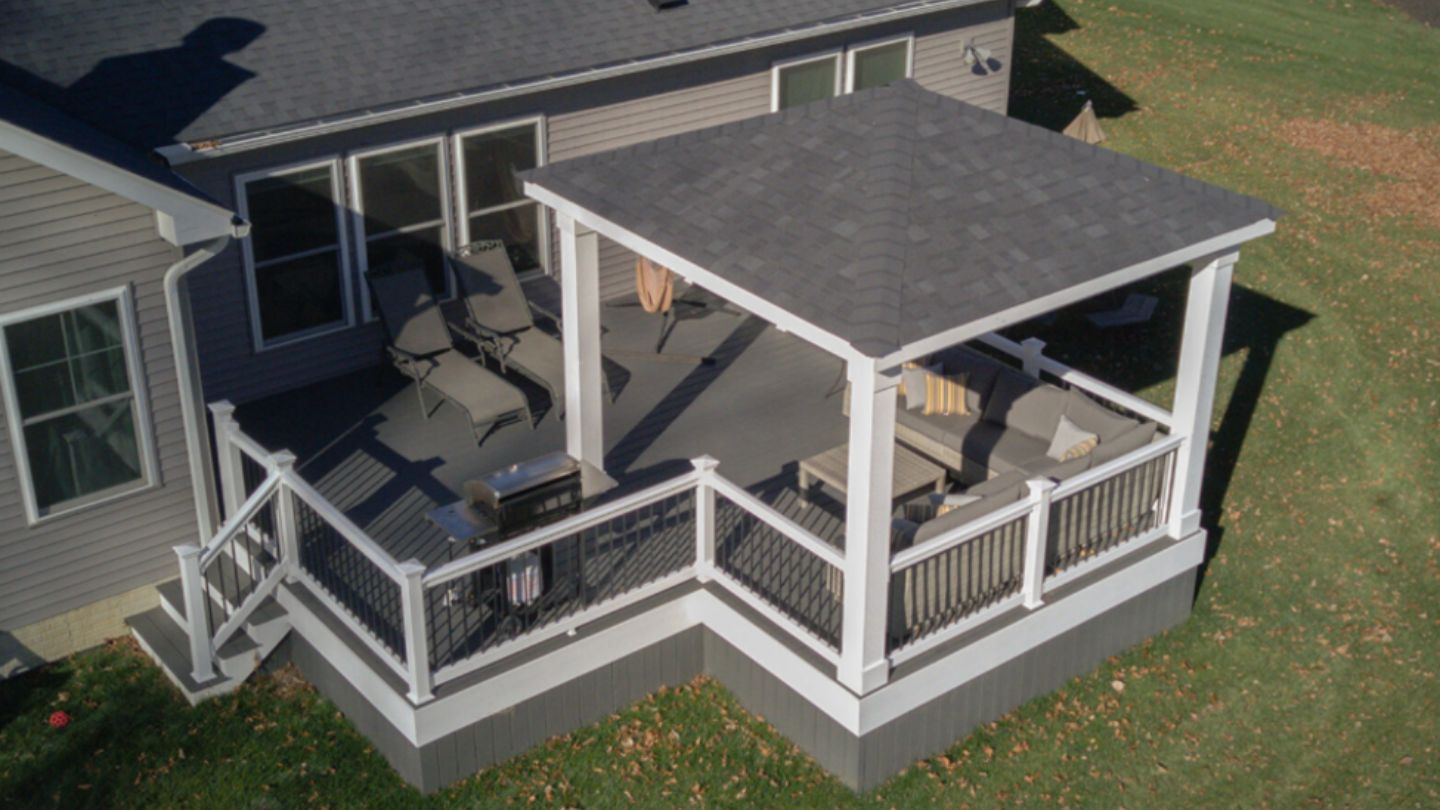
A pattern that seems subtle on one board can become more noticeable when repeated across a large deck. Conversely, a prominent grain may feel less dramatic once it is seen as part of the whole outdoor space. The scale of the deck, the direction of the boards, and the view from inside the house can all change how the surface reads.
Borders and transitions can also draw attention to the grain. A contrasting border may frame the main field of decking, while a consistent color and pattern can create a quieter, more continuous appearance. These are visual decisions as much as construction details. Considering the deck helps prevent the selection from being based only on a close-up view of one board.
Texture is something you can notice by touch as well as sight. Some surfaces feel more pronounced beneath your hand than others, and that can contribute to the overall impression of the boards. Still, a wood-like texture should not be treated as a guarantee about traction or safety. Walking conditions can depend on several factors, including moisture, debris, cleaning, and the particular product.
For that reason, compare samples for appearance and feel, but use product information for performance questions. A close-up sample can help you judge whether the texture suits your preferences; it cannot reproduce every condition the deck may experience outdoors. Keeping those two questions separate makes the selection clearer: choose a surface look you like, then review the product guidance for the details that matter to installation and care.
How to Choose Trex Decking Grain Patterns
Start with the look you want the deck to have. Do you prefer a natural, pronounced grain, or a quieter surface with finer lines? Should the deck feel warm and traditional, or more streamlined? Once you have a general direction, compare actual boards in a few color families. This narrows the options without forcing you to choose based on a product name or online image alone.
Next, consider the home and the deck’s surroundings. Siding, trim, railing, nearby trees, and the amount of direct sun can all influence how the board color and grain appear. Ask to see multiple samples, not only a single board, and view them in the space at different times of day if possible. Material, maintenance, and appearance are all factors in choosing the right composite decking.
Samples Help You See Beyond the Product Photo
Online images are useful for narrowing your choices, but screens cannot reliably show the full depth of a surface pattern. A photo may be affected by lighting, camera settings, and display color. A physical sample lets you inspect the grain, compare shades side by side, and see whether the texture feels right to you. If you can, view more than one board so the pattern isn’t judged from a single close-up.
Look at the sample both up close and from several steps away. Up close, texture and fine markings stand out. From farther back, you’ll get a better sense of how the color and grain might work across a larger surface. Seeing the material beside your home’s finishes can also reveal undertones that are easy to miss on a product page.
Think About the Whole Deck, Not Just the Boards
The boards are a large part of what people notice, but they share the stage with other features. Railing color, stairs, fascia, borders, furniture, and lighting can either complement the grain or compete with it. A bold surface pattern may be enough visual activity on its own, while a subtler one can leave more room for contrasting details.
A coordinated design does not mean everything has to match. It means the pieces should work together. Consider which feature you want to draw the eye first and choose the remaining materials to support that impression. Practical considerations also contribute to the benefits of composite decking.
A Deck Surface That Feels Like the Right Fit
Trex grain patterns and textures can range from subtle to more pronounced, and those differences affect how a deck looks at close range and across the whole space. Comparing samples, colors, and surrounding materials can help you choose a surface that suits your home and the visual character you want.
Woodland Deck Company can help make those choices part of a larger project. A custom deck remodeling project can update an existing space, while redecking may suit a deck whose structure can be reused. For a new finish, deck resurfacing is another option to discuss. Thoughtful deck lights can complement the boards after sunset. If you’re considering a deck builder in Northeast Ohio, contact us to talk through the material choices and design details that fit your home.