Shopping for decking introduces a vocabulary most homeowners never expected to learn, and few terms come up as often as capped. It sounds like a small manufacturing detail, yet it turns out to be one of the biggest reasons composite decks look as good years later as they did the week they were built. This blog covers what the cap actually is, how it changed composite decking for the better, and why it has become the standard that so many homeowners now ask for by name.
Key Takeaways
- A cap is a protective outer shell bonded around the composite core.
- The shell shields the board from moisture, stains, fading, and scratches.
- Capped boards hold their color and finish far longer than uncapped ones.
- The cap is why modern composite needs so little upkeep over the years.
- Capping is now standard across most quality composite decking lines.
The Simple Idea Behind the Cap
To understand what capped composite decking is, picture a board in two parts. At the center sits the core, a dense blend of wood fibers and plastic that gives the board its strength and structure. Wrapped around that core is a thin, durable outer layer, the cap, bonded on during manufacturing to form a continuous protective shell. The core provides the muscle, and the shell provides the armor.
That shell is where the performance comes from. It seals the wood fibers inside away from the weather, so moisture, sun, and spills never reach the part of the board that would otherwise react to them. When people ask what is capped decking in the simplest terms, this is the answer: a board whose working core is covered in a sealed layer. Earlier composite boards left that core exposed, and while they still outperformed wood, they remained vulnerable to the staining and fading that the cap was later designed to prevent.
How Capping Solved Early Composite’s Weak Points
First-generation composite decking was a genuine step forward, freeing homeowners from the sanding and staining that wood demanded. But the exposed core had limits. Over time, those early boards could fade unevenly in the sun, pick up stains from food and grease, and take on moisture at the surface, which occasionally led to mold along shaded edges. The material was good, yet it had room to improve.
Capping closed those gaps. By sealing the core inside a tough, non-porous outer layer, manufacturers eliminated the main vulnerabilities in a single stroke. Capped composite decking resists the fading, staining, and surface moisture that affected the earlier boards, which is why it quickly became the benchmark. For homeowners weighing on choosing the right composite decking, the presence of a quality cap is one of the clearest markers of a board built to last.
What the Cap Protects Against
The outer shell defends the board on several fronts at once. Its non-porous surface repels water, so moisture beads and runs off rather than soaking in, which keeps the core dry and stable through every season. That same sealed surface resists stains, meaning spilled wine, dropped food, and grease from the grill wipe away instead of leaving a lasting mark on the deck.
The cap also provides protection against the sun and everyday wear. Fade-resistant technology built into the shell helps the board hold its color through years of direct exposure, and the hard surface stands up to the scratches and scuffs of furniture, foot traffic, and pets far better than an exposed core would. Together, these defenses are a large part of the benefits of composite decking that homeowners notice most once the deck is in daily use.
Where Capped Decking Earns Its Keep
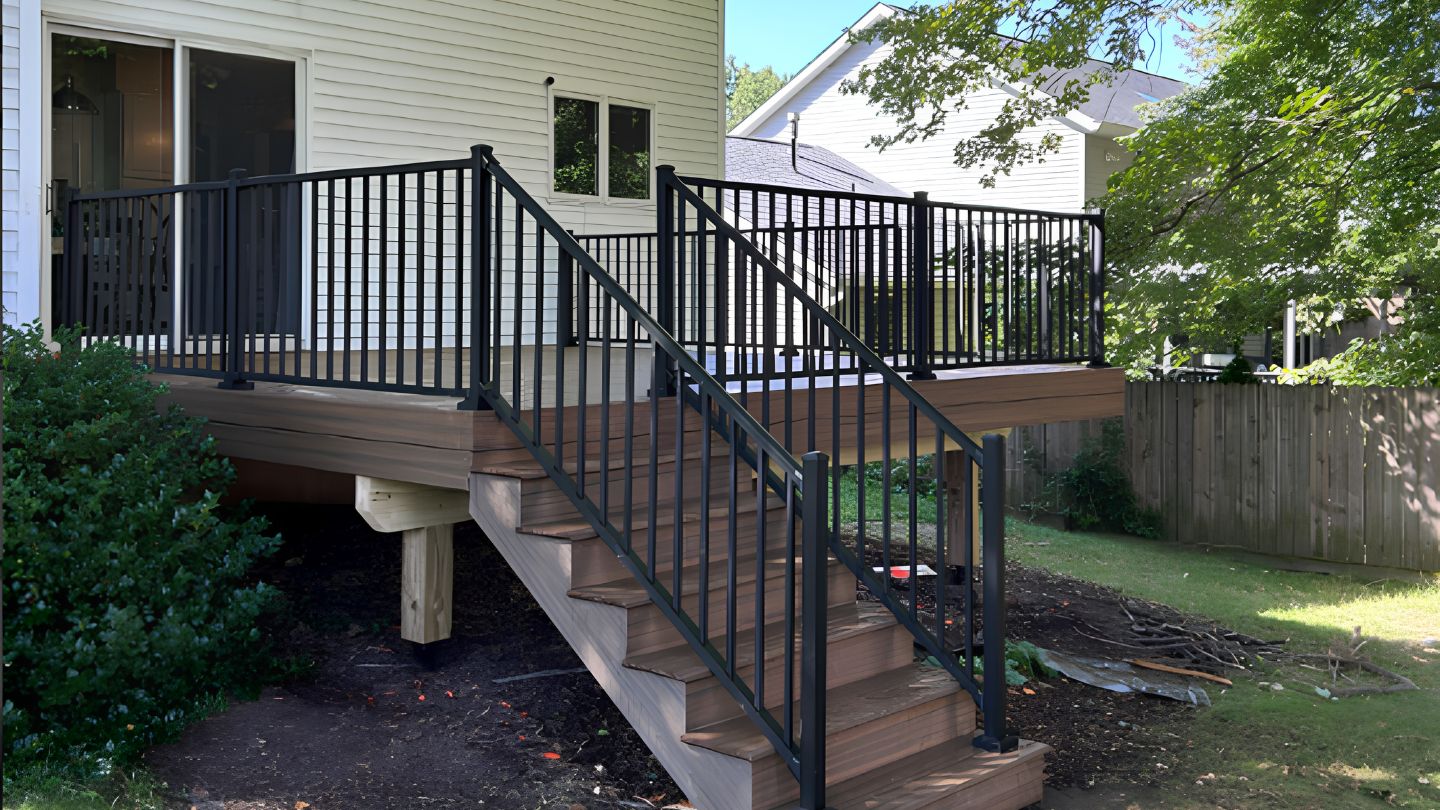
The value of the cap shows most in the conditions that punish a deck hardest. A surface in full afternoon sun relies on the shell’s fade resistance to hold its color. A deck near a pool or hot tub leans on the non-porous surface to shrug off constant splashing. A busy family space with children, pets, and frequent gatherings depends on the hard outer layer to resist the scratches and spills that come with daily life. In each case, the cap is quietly doing the work.
Shaded and low-lying decks benefit just as much, though less visibly. Areas that stay damp and slow to dry are where exposed cores once struggled with surface moisture, and the sealed shell removes that concern entirely. Whatever the exposure, the cap gives the board a consistent defense, which is why it suits so many different yards and layouts without the homeowner needing to think about it.
Everyday Living Made Easier
The practical payoff shows up in ordinary moments. A glass tips over during dinner and wipes clean. The grill splatters and a quick pass with a cloth erases it. Patio furniture drags across the surface without leaving a trail of scratches. None of these require special products or anxious cleanup, and that ease is exactly what homeowners mean when they say a capped deck simply gets out of the way and lets them enjoy the space.
The Appearance Advantage
Beyond protection, the cap gives manufacturers far more control over how a board looks. Because the shell is applied as its own layer, it can carry rich, multi-tonal coloring and realistic grain patterns that mimic natural wood convincingly. Many capped lines feature variation from board to board, which avoids the repetitive, artificial look that plagued some early composites and gives the finished deck genuine depth.
That appearance also lasts. Because the cap resists fading, the deep color and detailed grain a homeowner chooses on day one stay close to that over the years rather than washing out under the sun. A deck that still looks rich and intentional a decade after installation is a direct result of the cap doing its job, and it is a meaningful part of why capped boards command the attention they do.
What It Means for Maintenance
The headline benefit for most homeowners is how little the deck asks of them. Capped composite needs no sanding, no staining, and no sealing, ever. The routine amounts to an occasional wash with soap and water to clear away the dust, pollen, and debris that settle on any outdoor surface. That is the full extent of ongoing care for a well-built, capped deck.
That freedom from upkeep reshapes how the deck fits into life. Weekends that once went to refinishing go to actually using the space, and the structure holds its appearance without the annual effort wood requires. It also supports a long service life, and homeowners curious about how long composite decking lasts find that the cap is central to the answer, since a protected core simply ages far more slowly than an exposed one.
Fully Capped Versus Partially Capped Boards
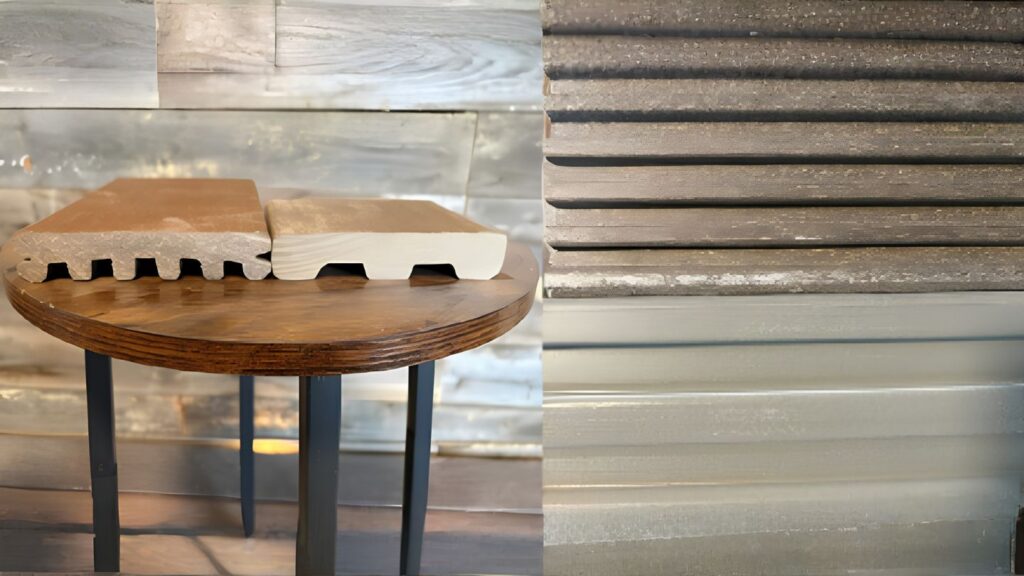
Not all capped boards wrap the core the same way, and the difference is worth knowing. Some boards are capped on all four sides, sealing the core completely, while others cap only the top and sides and leave the underside exposed. A fully wrapped board offers more protection against mold since no part of the core meets the weather, which matters most for ground-level decks in particular, or other spaces without ventilation.
Boards with a three sided cap are very popular and allow for any trapped moisture to get out. We recommend a 3 sided cap deck board for any deck that is 2’ or more off the ground. The point is simply to match the board to the conditions rather than assume every capped product is identical. A builder who knows your site can point you toward the construction that fits, which keeps the investment sensible without giving up the protection the cap is there to provide.
Why It Has Become the Standard
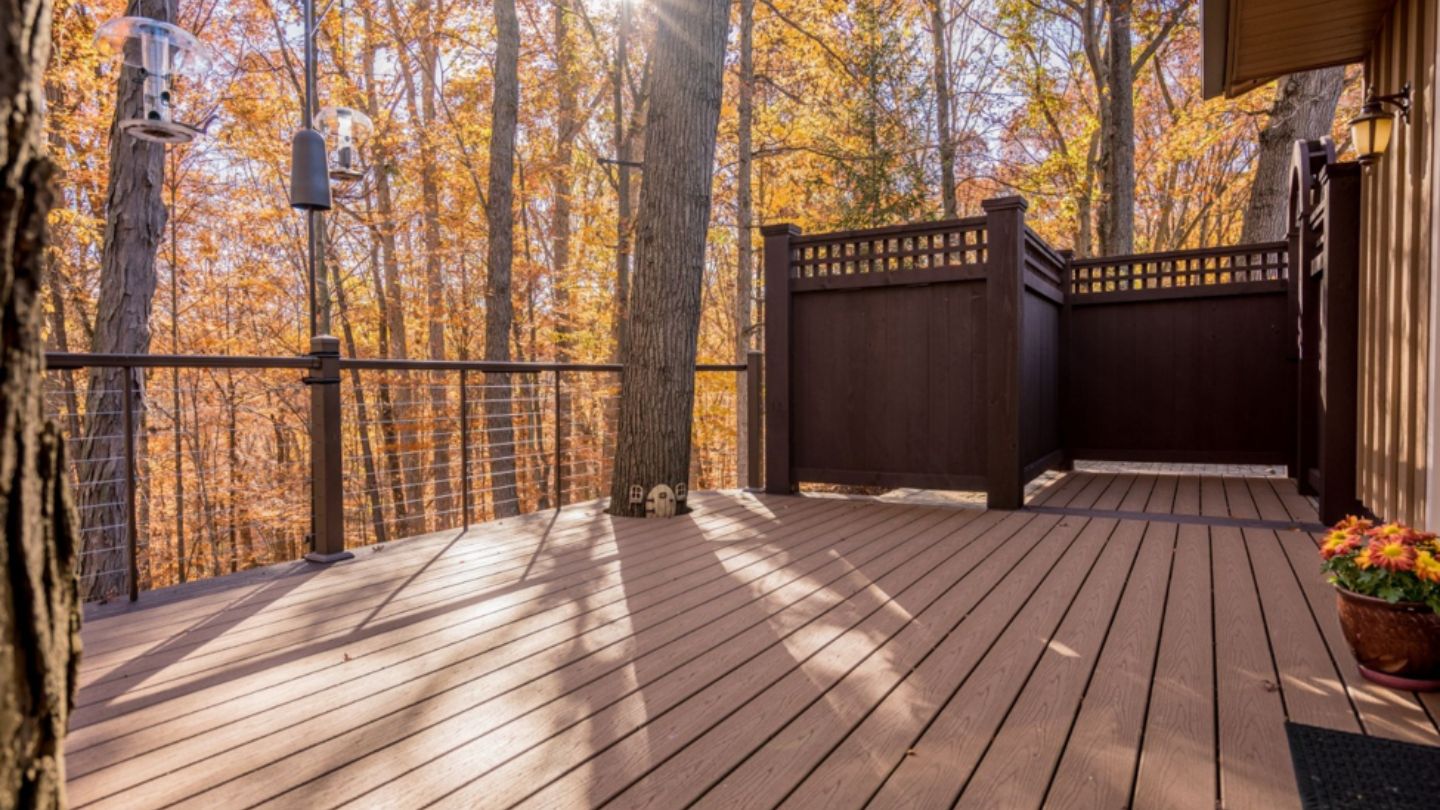
Ask what the benefits of capped composite decking are, and why the reasons stack up quickly: better protection, lasting color, easier cleaning, a more realistic look, and a longer life. Taken together, those advantages explain why capping moved from a premium feature to the expected baseline across most quality decking lines. Homeowners came to want it, and manufacturers responded by making it standard.
Not every product is identical, though, and the quality of the cap and core still varies between lines. Reviewing the types of composite decking shows how much range exists even among capped options, from the thickness and durability of the shell to the realism of the color and grain. Understanding those distinctions is what turns a general preference for capped decking into a confident choice of a specific board.
Choosing a Deck Built to Hold Up
The cap is a small detail with an outsized effect. By sealing the core inside a tough, non-porous shell, it gives capped composite its resistance to moisture, stains, fading, and scratches, along with the realistic looks and near-effortless upkeep that have made it the standard homeowners now expect. What sounds like a minor manufacturing step is, in practice, the reason a modern composite deck stays beautiful with so little asked in return.
If you want a deck builder in Northeast Ohio to help you choose the right capped boards for your project, Woodland Deck Company is glad to guide the decision. Our team handles custom deck remodeling and redecking, designs pergolas and shade structures, and installs deck lights so the finished deck works from morning to evening. Contact us with your plans, and we will help you build a surface made to look its best for years to come.