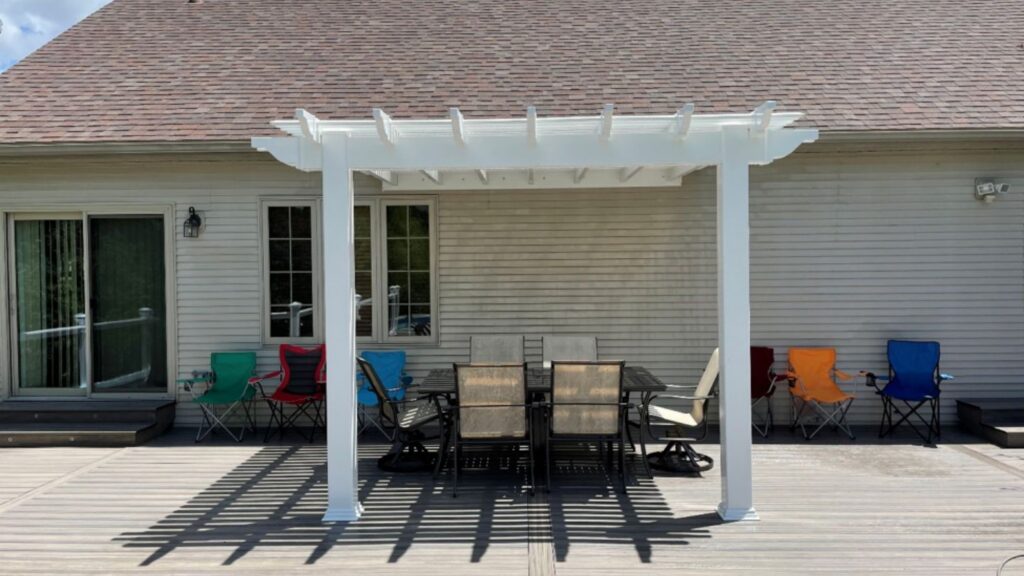
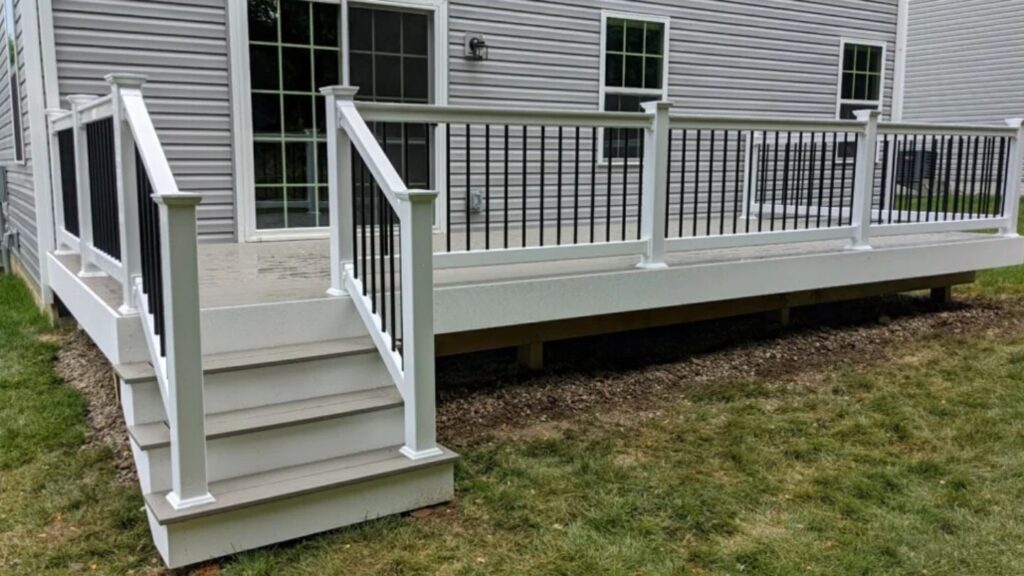
A pergola can make a deck or patio feel like a distinct outdoor room, but an open structure may still leave you feeling exposed to neighbors or nearby activity. Privacy screens can help create a more comfortable setting for dining, relaxing, or spending time with family, while preserving the open-air character that makes a pergola appealing. The right screen can also soften strong sunlight or add a decorative feature. This blog covers the benefits of pergola privacy screens, the options to consider, and the design factors that help them feel like a natural part of the space.
Key Takeaways
- Screens can make a pergola feel more private and comfortable.
- Different screen styles offer different balances of privacy, airflow, and openness.
- Screen placement matters as much as the material.
- Screens can affect views, light, and wind exposure.
- Planning screens with the pergola helps create a cohesive outdoor space.
What Do Privacy Screens Add to a Pergola?
A pergola defines an outdoor area, but its open sides may not provide much separation from neighboring homes, a nearby walkway, or other activity. A screen can make the space feel more sheltered without enclosing it completely. Depending on its style and placement, it may block a direct line of sight while still allowing light and air to pass through.
Screens also give a pergola a more finished look. They can frame a seating area, create a backdrop for outdoor dining, or help distinguish one part of a deck from another. The purposes and functions of pergolas can extend beyond shade: a carefully planned screen can help the structure better suit the way you want to use the space.
How Do Pergola Privacy Screens Improve Outdoor Privacy?
Privacy is not always about blocking every view. Often, the goal is simply to make a seating or dining area feel less exposed. A screen on one side of the pergola may be enough to reduce direct sightlines from a neighboring yard, while leaving other sides open to preserve views and airflow. The best placement depends on where people sit, the direction of nearby windows, and how the sun moves across the deck.
This is why privacy is worth considering during the design process. A screen can be positioned to address a specific view, rather than enclosing the entire structure and changing its character. Some pergola systems offer retractable screen options, while outdoor fabric screens can provide adjustable coverage in suitable designs. The project should be planned around the level of privacy you want and the conditions of the site.
A More Comfortable Place to Dine and Unwind
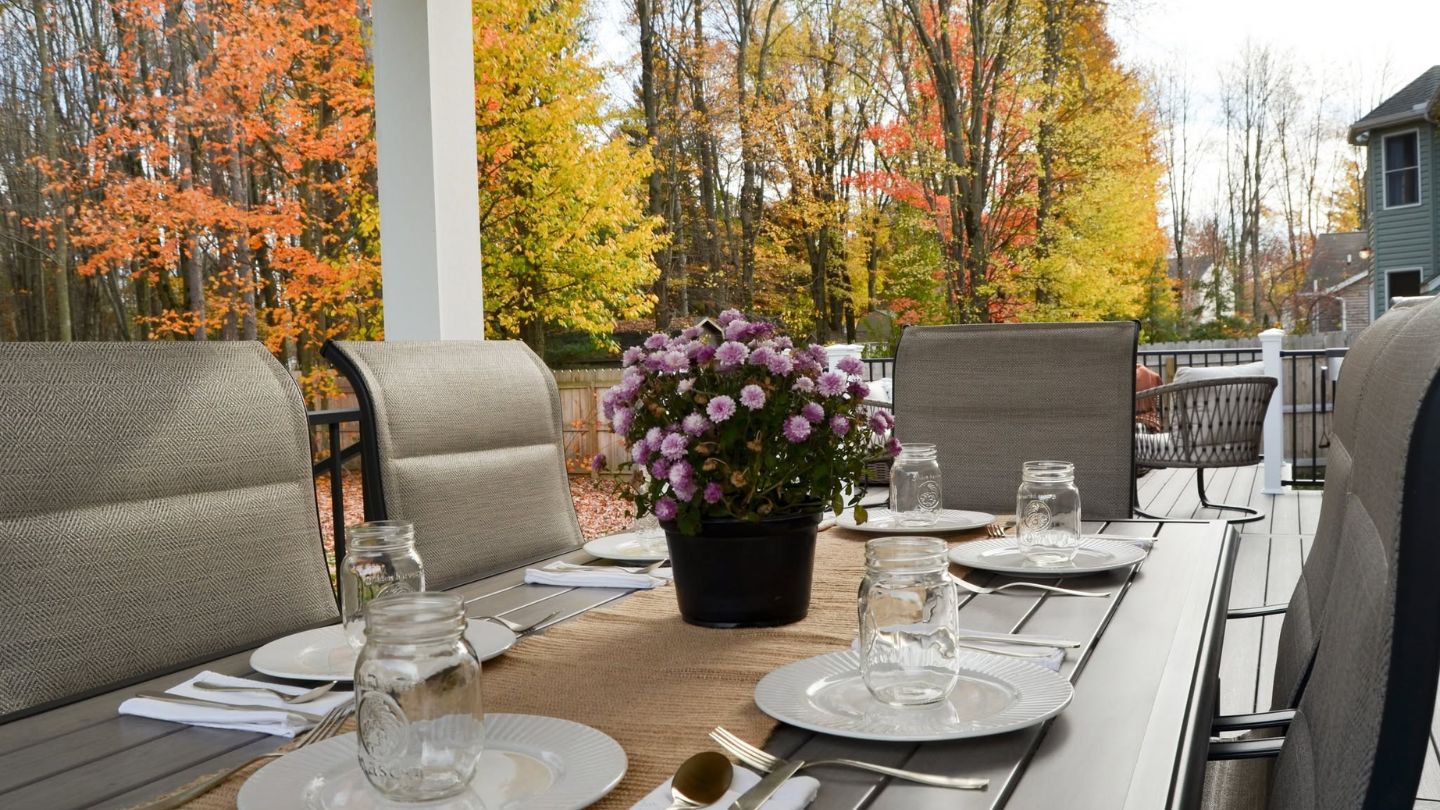
A screened pergola can make outdoor meals and conversations feel more relaxed. When a seating area is less exposed to nearby activity, people may feel more comfortable lingering at the table or gathering with friends. The screen can also help mark the area as a place to sit and spend time, rather than simply an open section of deck.
That sense of definition can be useful even when the privacy need is modest. For example, screening one edge of a dining nook may make it feel distinct from the rest of a larger deck. A screen does not need to surround the whole pergola to change how the area feels. Sometimes a single well-placed panel or curtain creates enough separation while preserving the openness of the space.
Shade, Light, and Airflow Can Work Together
Privacy screens may also influence how sunlight enters a pergola. A screen positioned on the sunnier side can soften direct light during certain parts of the day, while the open sides continue to bring in daylight. The effect varies with the screen’s material, color, and coverage. A lighter or more open fabric will feel different from a denser screen that blocks more of the view.
Airflow is another consideration. An open-weave or retractable screen can preserve some movement through the space, while more solid coverage can make the pergola feel more enclosed. Neither approach is automatically right for every deck. The useful question is how much privacy, shade, and openness the area needs at different times. In some designs, adjustable screens make it easier to change the balance as conditions or activities change.
Screen Options for Different Pergola Styles
There is no single screen style that suits every pergola. Outdoor fabric curtains or screens can offer flexible coverage, especially when they can be moved aside when privacy is not needed. Retractable options can keep the sides open at other times. Each option changes the space differently. Fabric screens can add a softer look, while retractable systems allow the sides to remain open when privacy is not needed. Certain PERGOLUX configurations include retractable screens, and outdoor fabric curtains have also been used on a pergola to provide adjustable privacy. The suitable option depends on the structure, the desired level of coverage, and the overall design.
Privacy Screens and Pergolas Are Not the Same as Full Enclosures
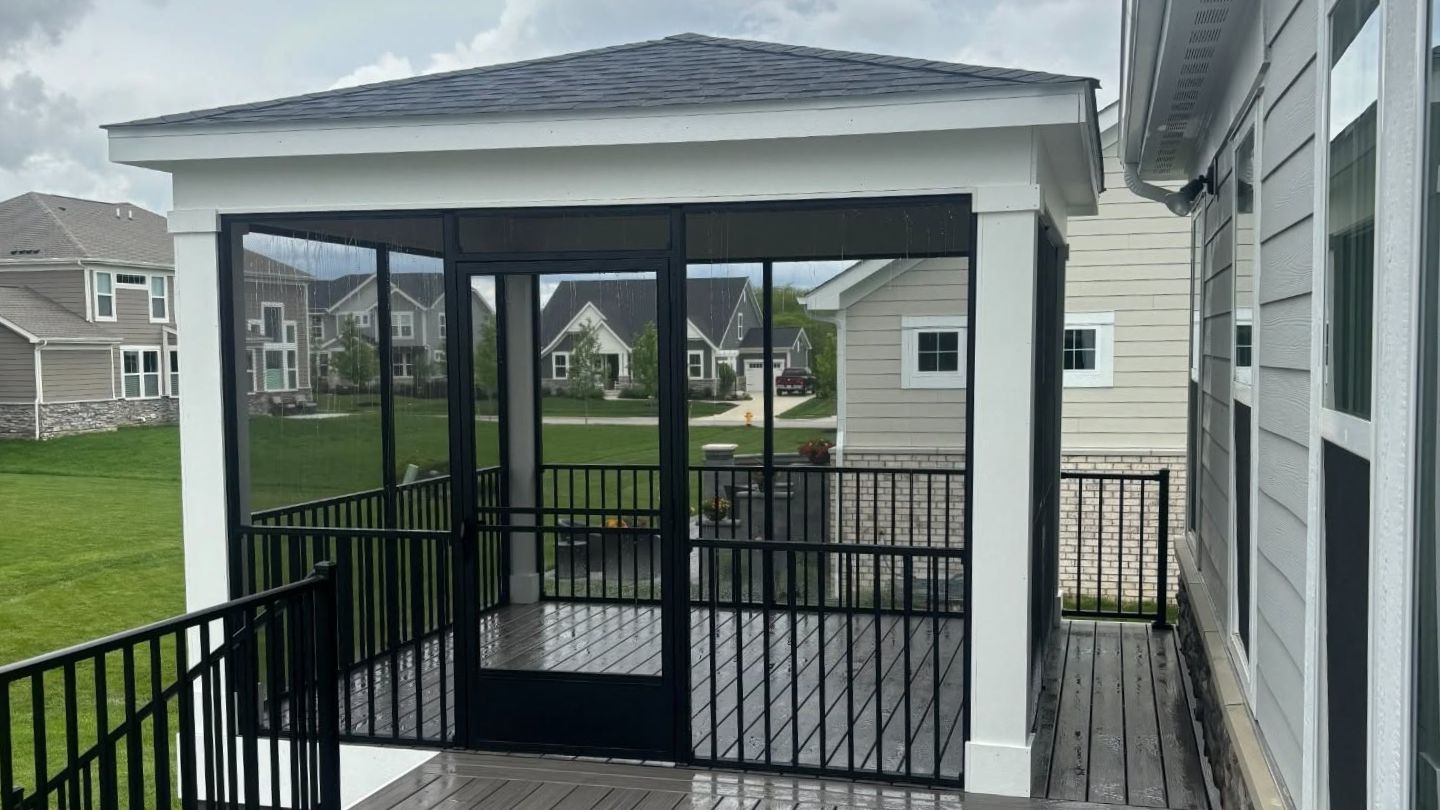
A screen can provide partial privacy, but it does not necessarily turn an open pergola into a fully enclosed room. Coverage depends on the screen’s location and design, and gaps may remain above, below, or between sections. That can be an advantage if you want to retain an outdoor feel, but it may not suit someone looking for full enclosure or substantial weather protection.
It helps to decide what matters most: reducing sightlines, managing sun, keeping the area open, or creating a more protected outdoor room. A pergola usually maintains a more open relationship with the yard, while a pavilion or covered structure serves a different purpose. The distinctions between pergolas and pavilions can help frame which kind of structure better fits the space and how you plan to use it.
How to Add Privacy Screens to a Pergola
The best starting point is to identify the view or activity you want to screen. Consider where people will sit, which sides feel exposed, and whether you want the screen in place all the time or only when needed. Also think about what you want to keep visible, such as a garden, landscape feature, or view from inside the home. These choices help determine whether a single screen, several screened sides, or a retractable option makes the most sense.
Next, the screen should be considered alongside the pergola’s structure and overall layout. The screen’s attachment, position, and operation need to suit the design rather than feel like an afterthought. Sun exposure, airflow, furniture placement, and the way people move through the deck can all affect the plan. For a coordinated result, pergola and shade structure designs that complement a deck consider the structure as part of the whole outdoor space.
Design Details That Make a Screen Feel Intentional
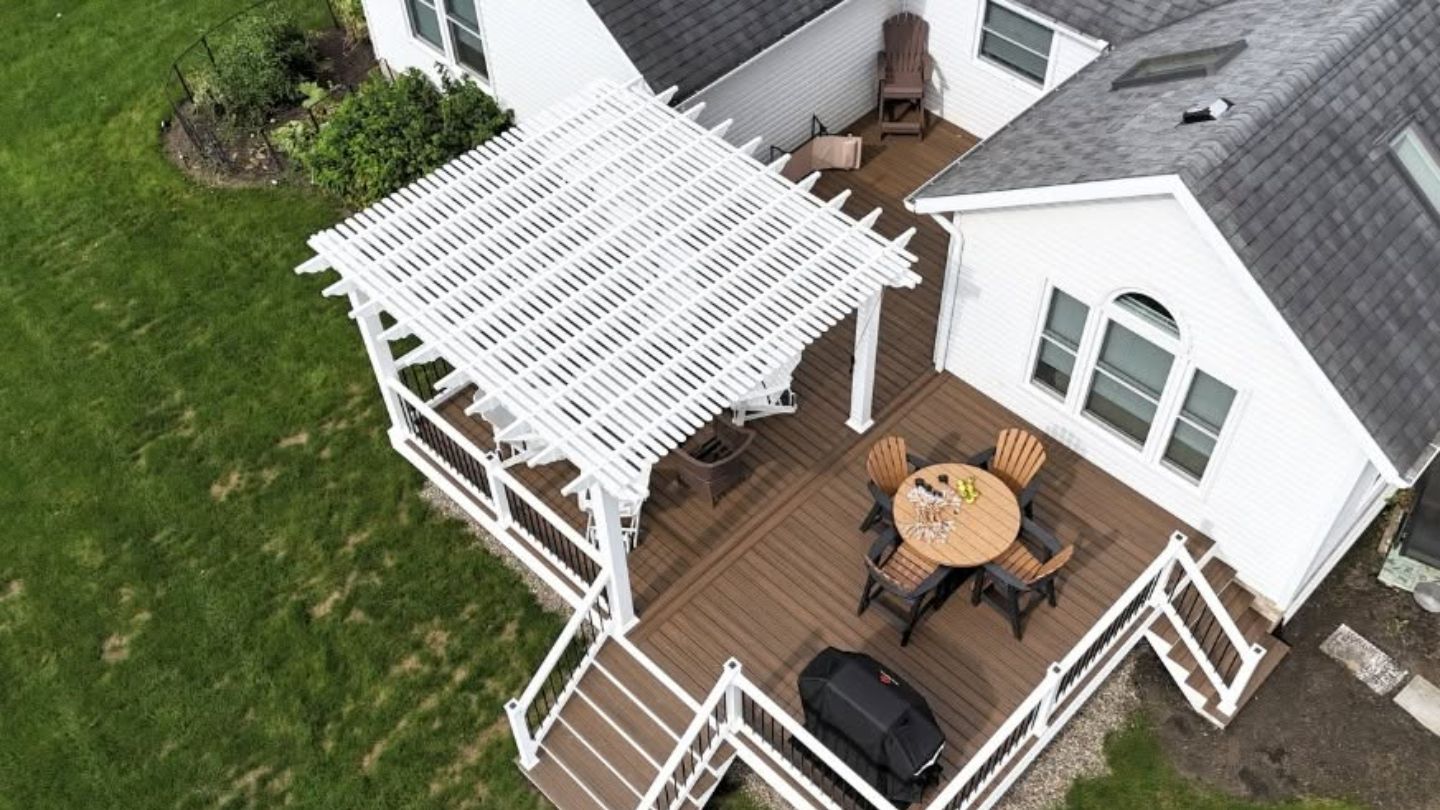
A privacy screen can look integrated when its scale and materials relate to the pergola and deck. A screen that is too visually heavy may make an open structure feel closed in, while one that is too small may not address the intended sightline. The proportions should work with the posts, roof, seating area, and surrounding landscape. Color also affects the impression: a screen that complements the structure may blend in, while a contrasting one can become a focal point.
Think about how the space looks from inside the house, too. A screen can improve privacy outdoors but may also change what is visible through a window or patio door. The same applies to views from the pergola: a panel placed on one side may block an unwanted sightline and another one you value. Planning the screen’s position carefully can help it feel useful from both inside and outside.
Practical Factors to Weigh Before Choosing
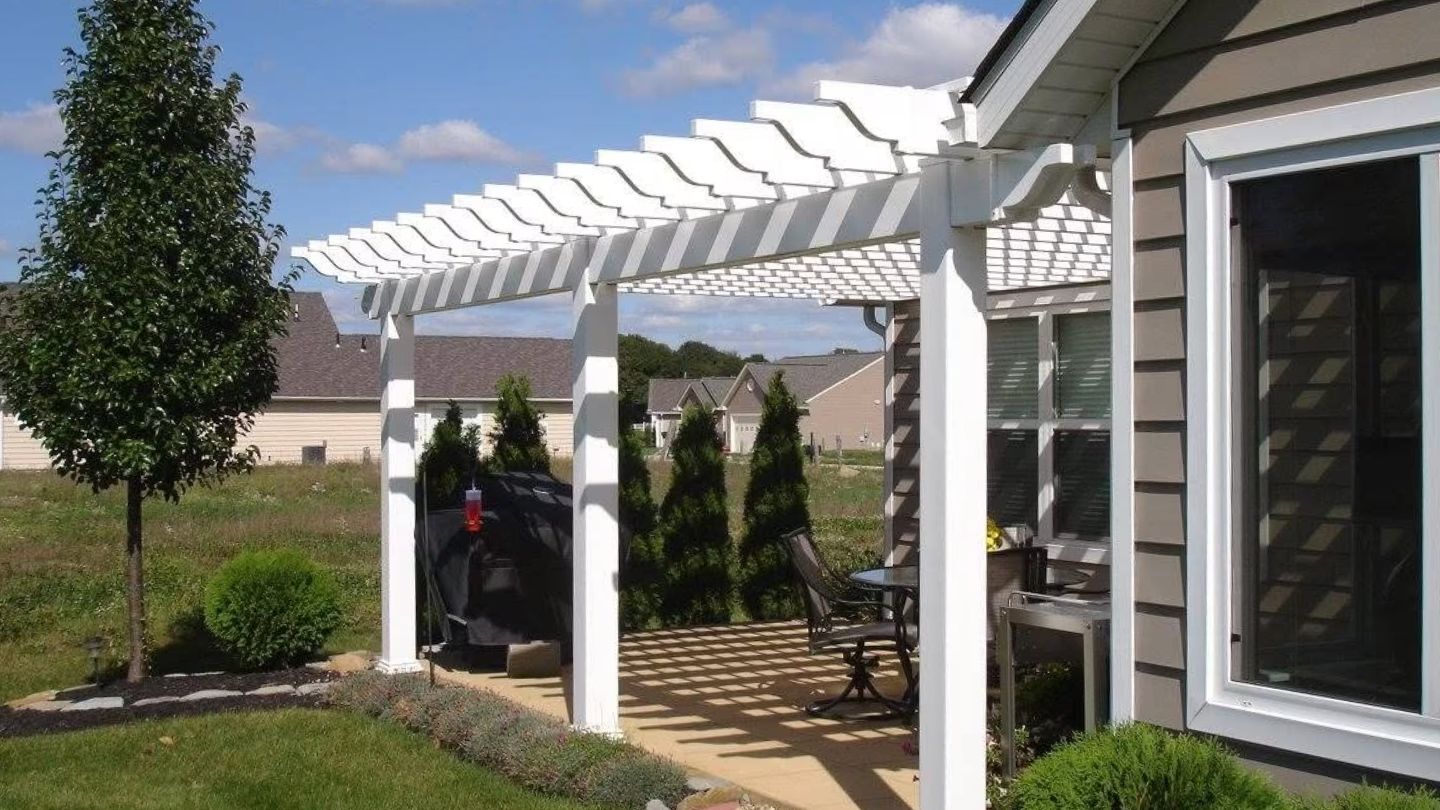
Screens introduce trade-offs along with their benefits. More coverage can improve privacy, but it may also reduce views, natural light, or airflow. Fabric and plant-based options have their own care needs, and retractable systems involve hardware and operating components. A screen’s exposure to sun and weather can also influence how it performs over time.
Wind is another site-specific consideration. A large screen can catch more wind than an open pergola, so the design and attachment should suit the structure and location. This is one reason to plan screens as part of the pergola project rather than treating them as a last-minute decorative addition. Reviewing the intended screen, pergola, and deck together can help clarify what is practical and how the final space will function.
A Pergola That Feels More Like Your Space
A privacy screen can change the way a pergola feels without removing its open-air character. It may make a dining area more comfortable, soften direct sun, or create a visual boundary around a seating nook. The strongest results come from choosing the level of coverage and screen style to suit the actual deck, views, and everyday use.
Woodland Deck Company designs pergolas and shade structures as part of outdoor living spaces. A custom deck remodeling project can incorporate broader updates, while redecking may be relevant when an existing deck needs a new surface. For evening use, deck lights can complement the screened area. Homeowners considering a pergola in Columbus, Ohio can contact us to discuss the layout, privacy goals, and features that fit their space.