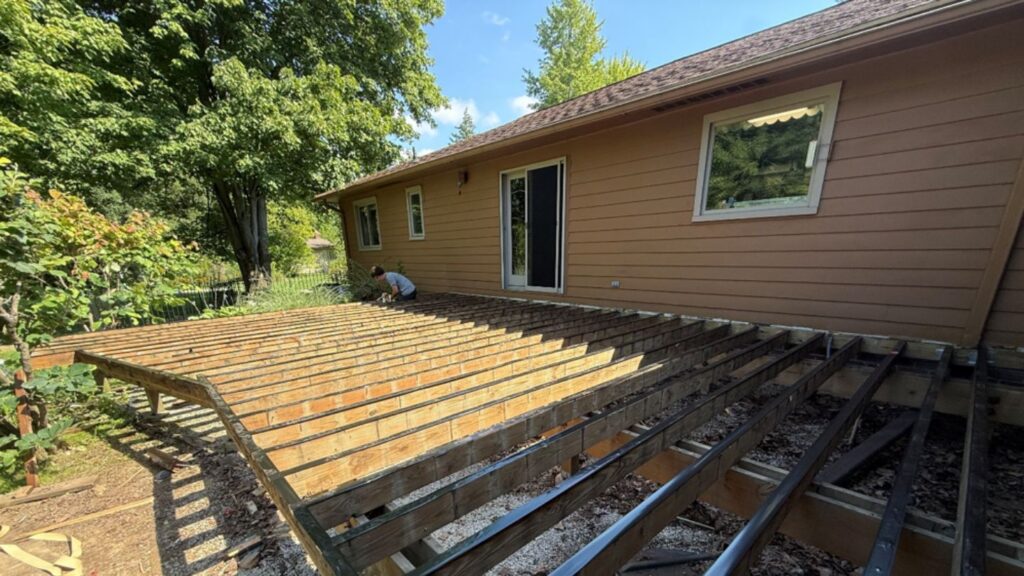
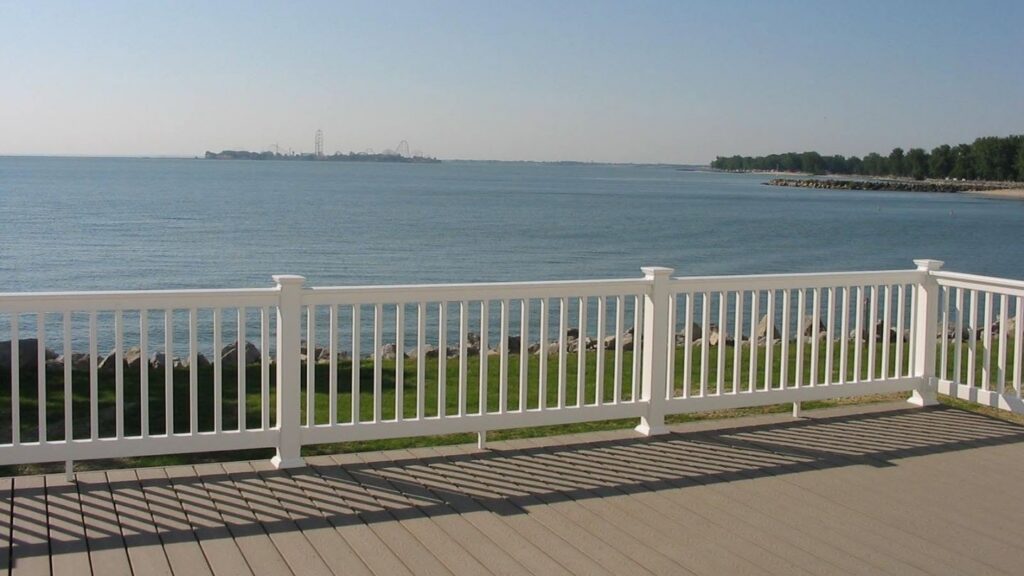
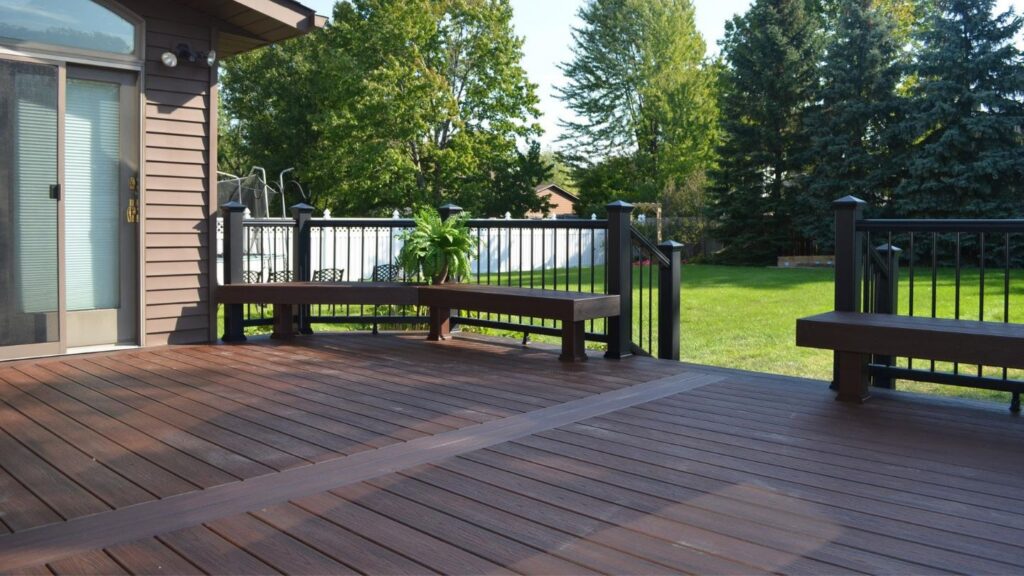
A tired-looking deck does not always need to be torn out and rebuilt from the ground up. In many cases, the structure underneath is still sound, and only the surface boards and railings have worn down. When that is true, resurfacing offers a way to get a fresh, durable deck without the cost and disruption of full replacement. The key is knowing whether a particular deck is actually a good fit for the approach. This blog explains what resurfacing involves, which decks qualify, and how to tell when it is the smarter path forward.
Key Takeaways
- Resurfacing replaces the surface boards and railings while keeping a structurally sound frame.
- The condition of the joists, beams, and footings decides whether a deck can be resurfaced.
- Composite boards add durability and remove the yearly sanding and sealing that wood requires.
- Decks with widespread frame rot or failing footings are usually better candidates for replacement.
- A professional inspection is the most reliable way to confirm whether resurfacing is appropriate.
What Composite Resurfacing Actually Means
Resurfacing, sometimes called redecking, means removing the existing deck boards and railings and installing new ones on top of the original framing. The posts, beams, and joists stay in place, provided they are still strong, while everything you walk on and touch is replaced. It is a middle path between a simple repair and a complete rebuild.
Most homeowners choose composite boards for the new surface because of the benefits of composite decking, which include strong resistance to fading, staining, and moisture. The result looks and performs like a brand new deck, yet the project avoids the expense and time of rebuilding the entire structure from scratch.
The Frame Is What Really Matters
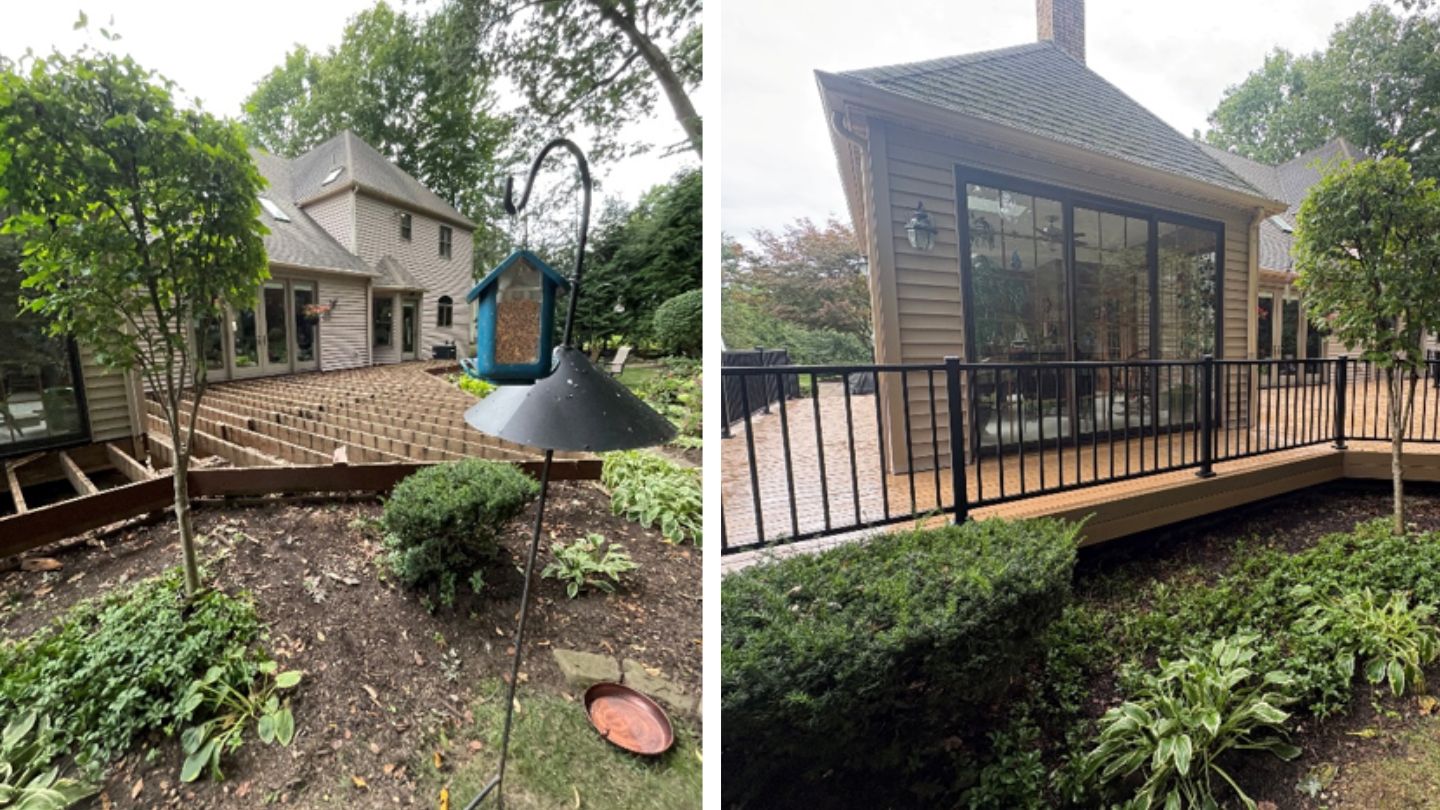
The single biggest factor in whether a deck can be resurfaced is the condition of the structure hidden beneath the boards. Footings must be stable, posts must be solid, and the beams and joists must be free of significant rot or damage. If that framework is healthy, it can carry a new composite surface for decades.
Because so much rides on that assessment, this is not a judgment to make from the surface alone. Working with the right professional matters, and hiring the right local deck builder ensures the frame is evaluated properly before any decision is made. A careful inspection protects you from resurfacing a deck that should have been rebuilt.
Signs the Surface Is Ready for an Upgrade
Some of the clearest signs your deck is ready for composite resurfacing show up on the boards and railings rather than the frame. Splintering, cupping, loose fasteners, faded color, and boards that feel soft or rough underfoot all point to a surface that has reached the end of its life. These are cosmetic and comfort problems, not necessarily structural ones.
When the boards look worn, but the deck still feels solid and level, resurfacing is often the ideal answer. You keep the footprint and structure you already have while gaining a surface that looks current and holds up far longer than the original wood.
Knowing What Your Existing Deck Requires
Figuring out how to know existing deck requirements for composite resurfacing starts with a close look at how the structure was originally built. Joist spacing matters, because composite boards have specific span requirements that differ from wood. The height, size, and layout of the deck also influence what the new surface and railings will need in order to meet current standards.
In some cases, a resurfacing project includes minor reinforcement, such as adding blocking between joists, so the composite boards sit correctly. A professional measures and documents these details up front, so the new surface is installed on a frame that genuinely supports it.
When Repairs Stop Making Sense
There is a point where patching an aging deck year after year costs more than a lasting solution. The signs your existing deck needs composite resurfacing often appear once repairs become routine, boards are replaced piecemeal, and the surface still looks tired despite the effort and expense.
At that stage, it helps to compare the ongoing cost of repairs against a single resurfacing project. Looking honestly at budgeting for a deck frequently shows that a composite surface pays for itself over time by ending the cycle of repeated fixes and the maintenance that wood demands.
What the Resurfacing Process Looks Like
A resurfacing project usually begins with that structural inspection, followed by removing the old boards and railings down to the frame. The crew then checks and prepares the joists, makes any needed reinforcements, and installs the new composite decking and railing system. Because the framing stays in place, the work typically moves faster than a full rebuild.
The finished deck looks entirely new and carries the durability and low maintenance of modern composite materials. For the right candidate, it delivers the appearance and performance of a replacement with less time, less waste, and a more reasonable overall cost.
Resurfacing Compared to Full Replacement
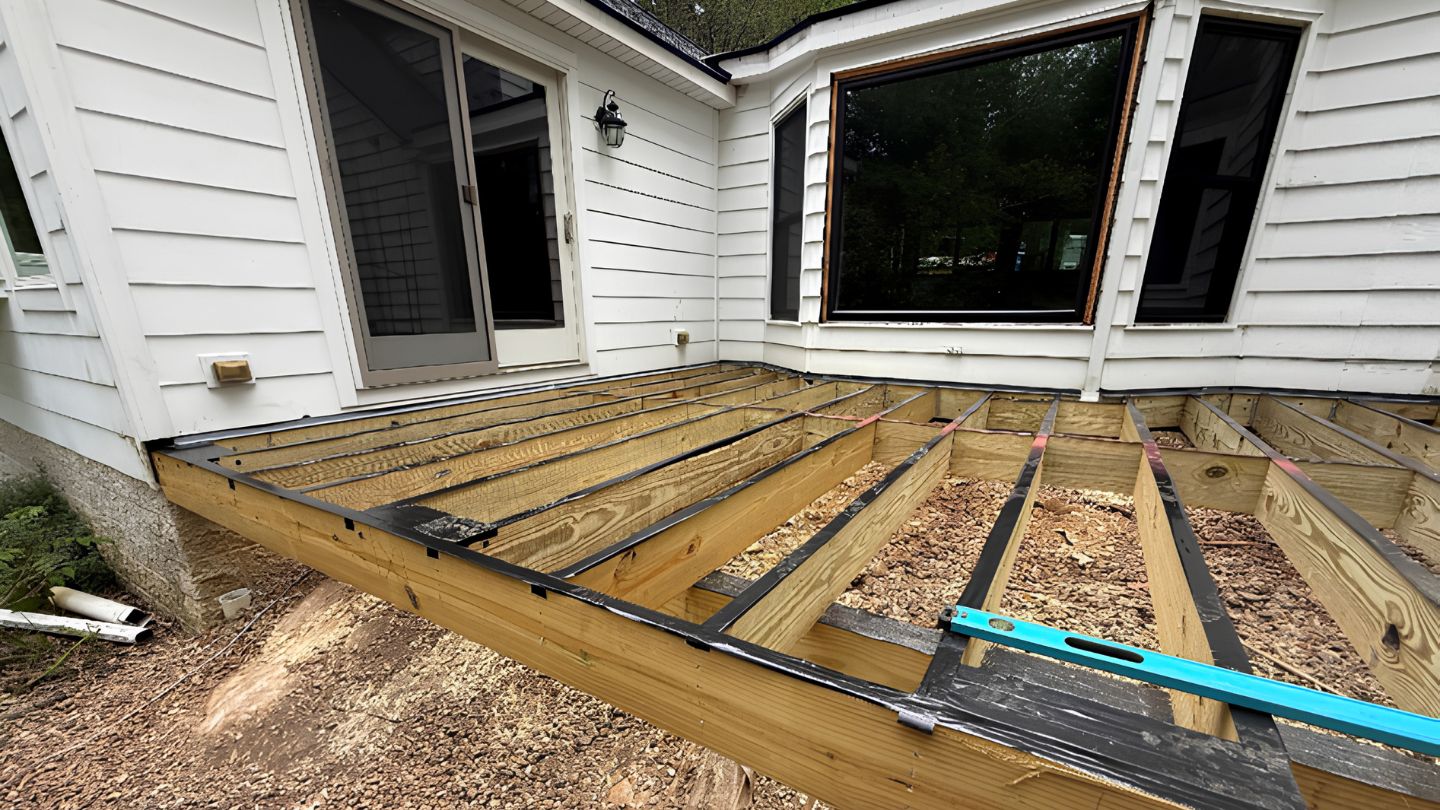
It helps to see resurfacing next to the alternative of tearing everything out and starting over. A full replacement rebuilds the structure from the footings up, which is the right call when the frame has failed, but it brings higher cost, a longer timeline, and more disruption to the yard. Resurfacing reuses the sound structure already in place, so the investment goes almost entirely into the new surface you see and use.
For a deck with a healthy frame, that difference is significant. The homeowner gets the look and durability of a new deck while avoiding much of the labor and material cost of a rebuild. The savings are real precisely because the most structural and labor-intensive part of the original build does not have to be repeated.
Why Homeowners Choose to Resurface
Beyond cost, the appeal of resurfacing comes down to ending the maintenance that an aging wood surface demands. Composite boards do not need the yearly sanding, staining, and sealing that wood requires to stay presentable. For busy households, removing that recurring chore is often as valuable as the fresh appearance itself.
There is also the matter of comfort and safety. A new composite surface removes the splinters, protruding fasteners, and soft boards that make an old deck unpleasant and risky to use. Families regain a space they can walk on barefoot and trust underfoot, which is frequently the moment the project proves its worth.
Planning the Look of the New Deck
Resurfacing is also a chance to update the appearance, not just the condition, of the deck. Composite lines come in a wide range of colors and finishes, from warm wood tones to cooler grays, so the refreshed deck can match the current style of the home rather than repeating the original look. Mixing a border color with a different field color is a popular way to give the surface a custom, finished edge.
Railings, lighting, and other details can be reconsidered at the same time, since they are being replaced anyway. Treating the project as a light redesign rather than a simple swap often produces a deck that feels genuinely new, while keeping the structure and footprint that already suited the yard.
How Long a Resurfaced Deck Lasts
A composite surface installed over a sound frame is built to last for decades, often with little more than occasional cleaning. The boards resist the fading, warping, and rot that shorten the life of wood, which means the refreshed deck holds its appearance far longer than the original surface did. For many homeowners, that longevity is the strongest argument in favor of the upgrade.
The frame beneath benefits too, because a quality composite surface and proper flashing help keep moisture away from the structure. Protecting the framing this way can extend the life of the entire deck, making resurfacing an investment in both the surface and everything supporting it.
Deciding Whether Resurfacing Is Right for Your Deck
The best candidates for composite resurfacing share one thing in common: a structure that is still strong beneath a surface that has simply worn out. When the frame is sound, and only the boards and railings have aged, resurfacing restores the deck beautifully while sparing you the cost of starting over. When the structure itself has failed, replacement is the wiser investment, and a professional assessment is the only reliable way to tell the two apart.
If you want an honest evaluation from a deck builder in Northeast Ohio, Columbus, or Pittsburgh, the specialists at Woodland Deck Company are glad to take a look. Our team handles custom deck remodeling and redecking for decks that qualify, installs deck lights to extend how you use the space, and provides deck resurfacing designed around the structure you already have. Contact us to find out whether your deck is a strong candidate.