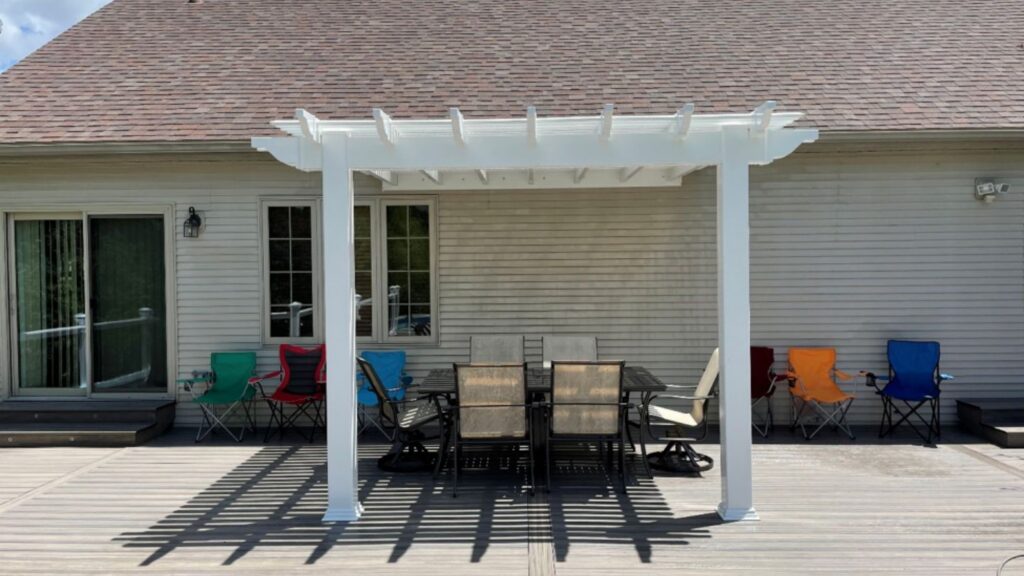
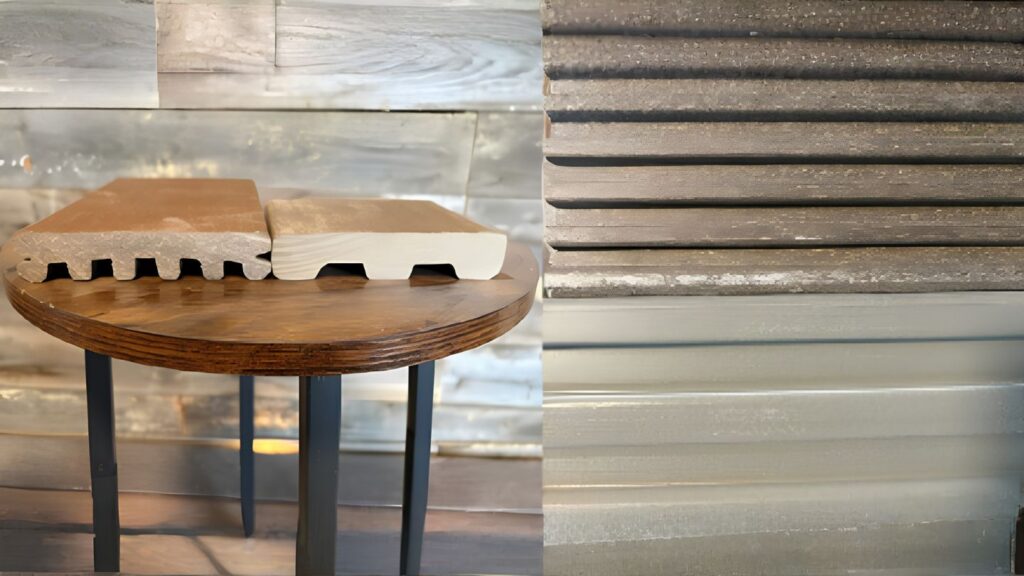
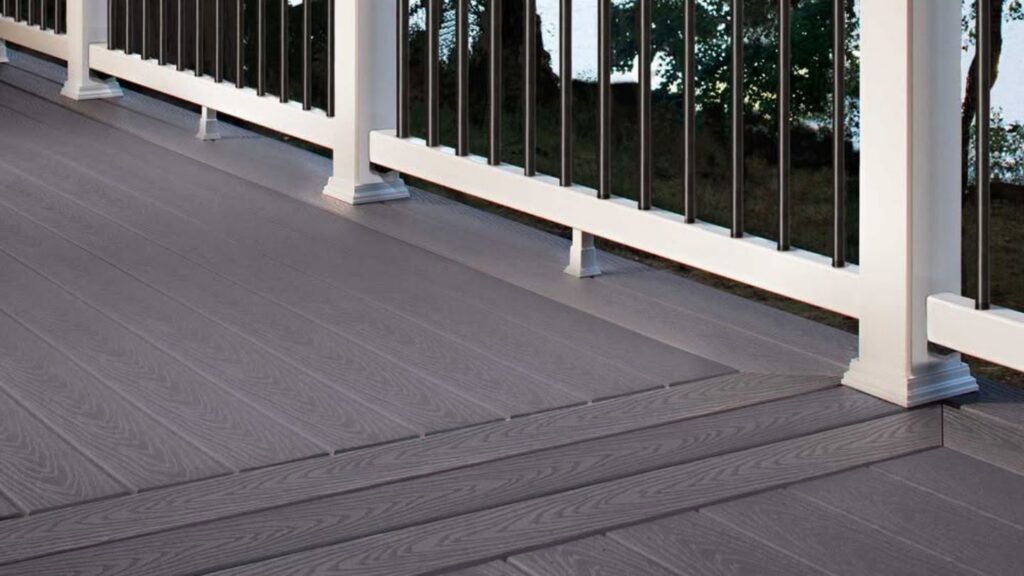
A deck should feel like a natural extension of your home, whether you use it for quiet mornings, family dinners, or weekends with friends. The material you choose affects the look, feel, upkeep, and design possibilities of that space. Composite and aluminum decking both offer alternatives to traditional wood, but they serve different priorities. For many residential backyards, composite stands out for its wood-inspired appearance, comfortable style, and range of colors and finishes. This blog covers how the materials compare and why composite may be the better fit for a welcoming, low-maintenance outdoor living area.
Key Takeaways
- Composite offers a range of wood-inspired colors, textures, and finishes.
- It suits many residential decks designed for relaxing and entertaining.
- Both materials are low-maintenance, though care varies by product.
- Aluminum can suit specialized projects; composite is a natural fit for pretty much every backyard.
Start With How You Want to Use the Deck
The better decking material depends on the setting and the experience you want. A rooftop platform, dock, or elevated walkway may have different structural and drainage needs than a backyard deck used for outdoor meals and family gatherings. That’s why comparing materials only by a single feature can lead to the wrong choice.
For a typical residential outdoor living space, composite is often appealing because it combines a familiar deck-board look with less routine upkeep than wood. It also comes in styles that can coordinate with a home’s siding, trim, landscaping, and furniture. If your goal is a comfortable, inviting backyard, composite is a strong place to begin. From a cost stand point, composite will be much more cost effective than aluminum.
Composite Brings a Warm, Wood-Inspired Look
One of composite decking’s biggest advantages is its appearance. Boards are available in a variety of colors and grain patterns, including finishes designed to echo natural wood. That gives homeowners room to create a deck that feels coordinated with the house, whether they prefer a light, understated tone or a deeper color. Comparing colors, grain patterns, and board finishes can make it easier to choose the right composite decking for your home.
Aluminum has a distinctly different look. Its clean, uniform surface can suit modern architecture and specific functional settings, but it doesn’t aim to recreate the familiar character of wood. For homeowners who picture a traditional-looking backyard deck, composite offers a broader range of wood-inspired design choices.
Think About Everyday Comfort
A deck is more than a surface to look at. You may walk across it barefoot, move chairs around a dining table, or spend long afternoons outside. Composite’s wood-like appearance and familiar board format make it a natural match for these everyday residential uses.
Sun exposure, board color, and shade can all affect how warm a deck feels. Composite offers a range of color options, giving homeowners flexibility when choosing a finish for their outdoor space. With thoughtful planning for sun and shade, it can create an inviting setting for relaxing and entertaining. Compare specific products to find the features that best suit your needs.
Low Upkeep Without the Look of Metal
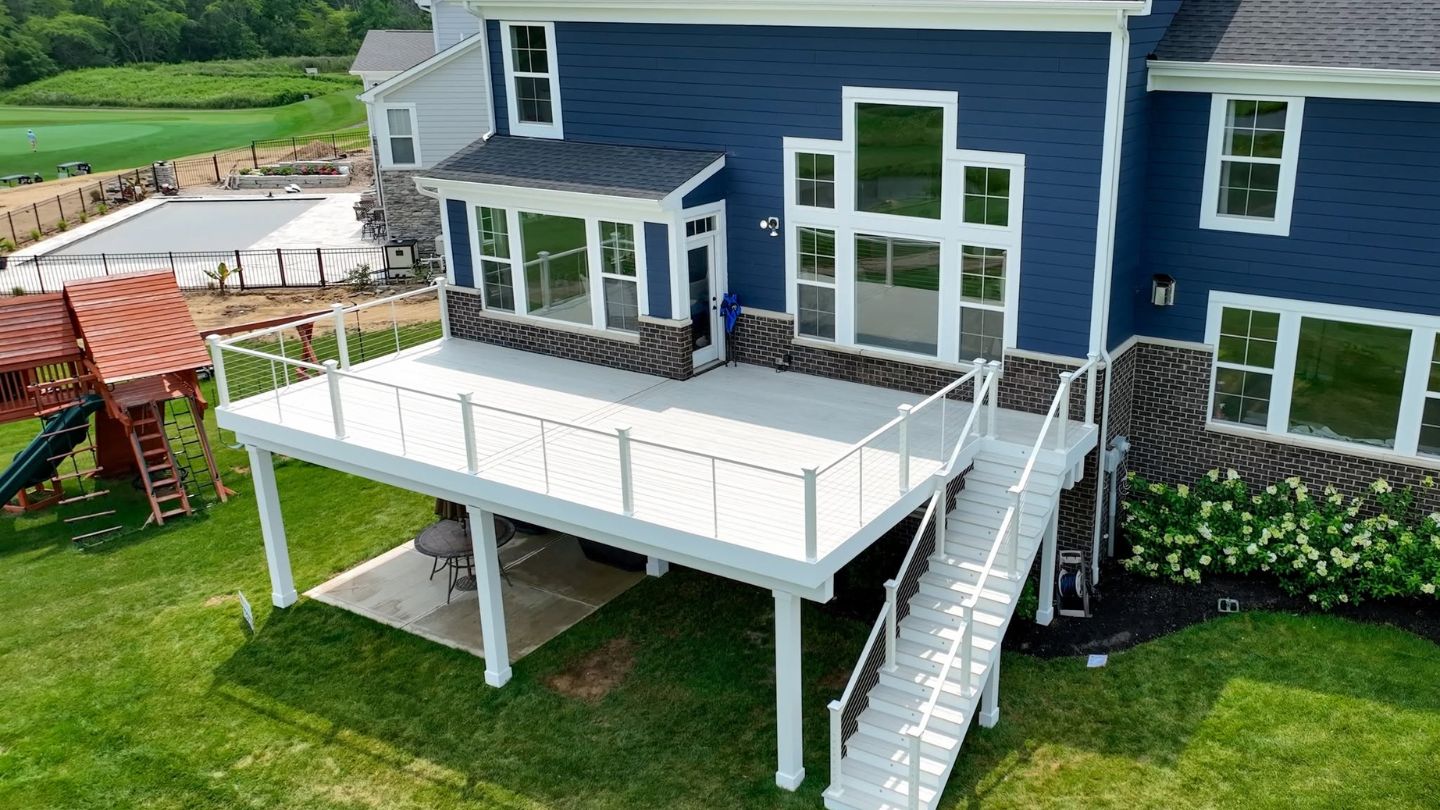
Many homeowners consider composite decking because they want to spend more time enjoying their deck and less time maintaining it. Unlike traditional wood, composite doesn’t require routine staining or sealing. Regular cleaning may still be needed, and the recommended care can vary by product, but it can simplify the upkeep routine.
Aluminum tends to require little maintenance, so upkeep alone may not settle the choice. The difference is in the full package: composite pairs a low-maintenance approach with a wood-inspired appearance that many homeowners want for a backyard. If you like the look of wood but want to reduce the recurring work that often comes with it, composite deserves a close look. A comparison of wood and composite decking examines differences in appearance, maintenance, and long-term care.
Consider Weather, Water, and Exposure
Outdoor decking needs to handle changing weather. Composite and aluminum are both designed for outdoor use, but the way each product performs depends on its construction, installation, and care. Homeowners should review the product details and warranty for the exact boards being considered.
Aluminum is known for its resistance to moisture and is used in some applications where drainage is a priority. Composite offers an appealing option for many residential decks where the goal is a wood-like surface with less ongoing maintenance. Proper planning matters for either material: the framing, ventilation, drainage, and installation all contribute to how a deck performs over time.
Make Room for the Details You Want
The deck’s shape and features can be just as important as the boards. You might want wide stairs, a defined dining area, contrasting borders, or space for planters and seating. Composite is available in styles that can support a cohesive residential design, and it can work well as part of a larger outdoor living plan.
The right layout starts with the way you plan to use the space. A builder can help determine which design details fit the home and how the deck will be supported. If you’re updating an existing deck, the condition of its frame also matters before deciding whether new decking can be installed over it. If you’re considering new boards for an existing structure, learn what a builder evaluates before putting composite decking over an existing wood deck.
Installation Is Part of the Decision
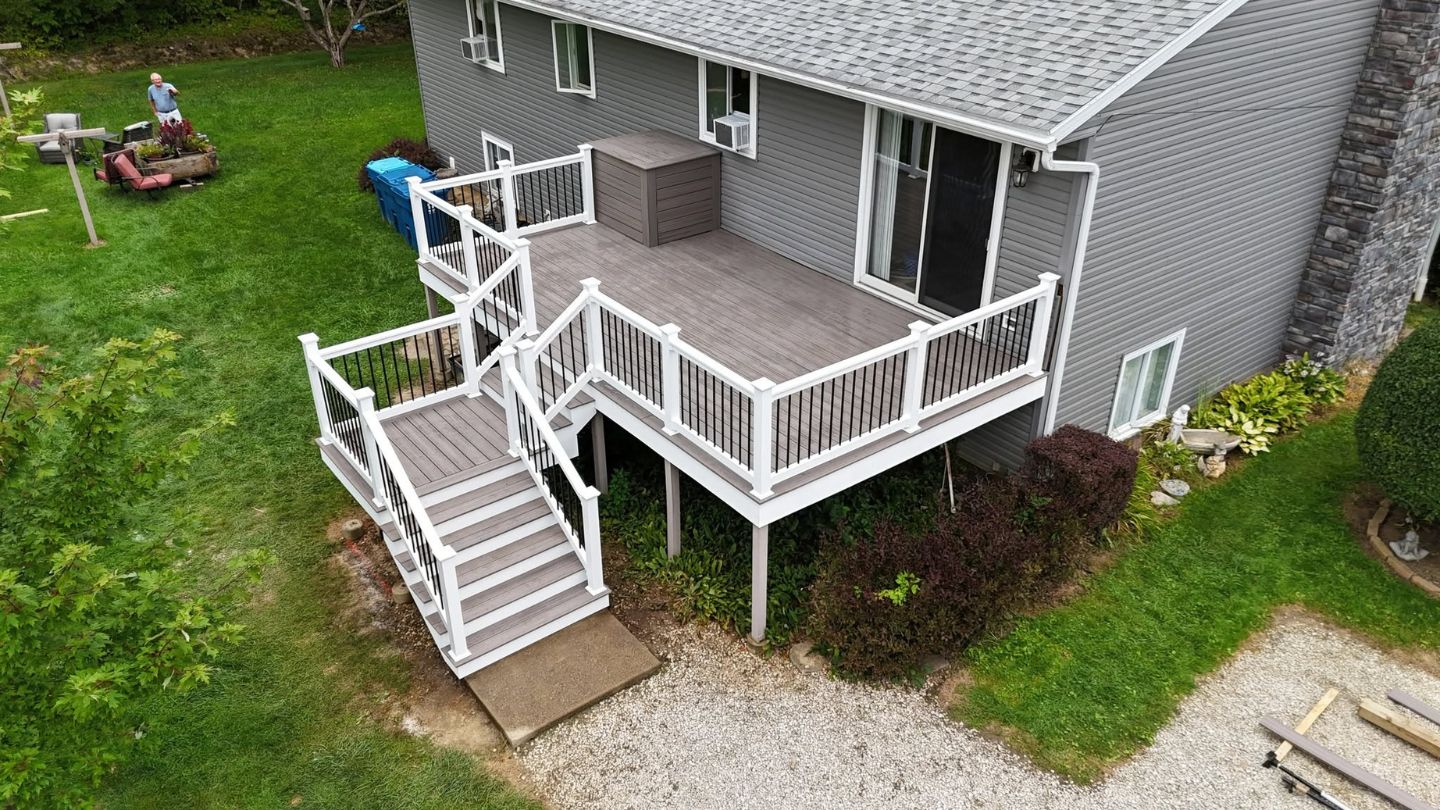
Composite boards are installed over a supporting frame, and product-specific fastening systems can affect the finished appearance. Some systems use hidden fasteners for a smooth surface, while other boards may use different installation methods. The right choice depends on the product and the project. Composite boards come in different constructions and finishes, so it helps to understand the main types of composite decking available before settling on a product.
Aluminum decking often uses its own system, which may be designed for specific structural or water-management needs. That can be an advantage in the right setting, but it also means the system may not offer the same design feel a homeowner expects from a conventional backyard deck. Before choosing, consider the whole project, not just the boards, including the frame, stairs, railings, and any planned additions.
Compare Value Over the Life of the Deck
The initial price is only one part of a decking decision. It’s also useful to consider the expected care, product warranty, installation needs, and how well the material suits the space. A board that fits your plans and preferences may offer better value for your household than an option chosen on price alone.
Composite products vary in price and features, just as aluminum systems do. Compare the exact products being proposed rather than relying on broad assumptions about either category. For homeowners who value a wood-inspired appearance and reduced routine maintenance, composite can offer a practical balance of style and everyday use.
Why Composite Is Often a Better Fit for Backyard Decks
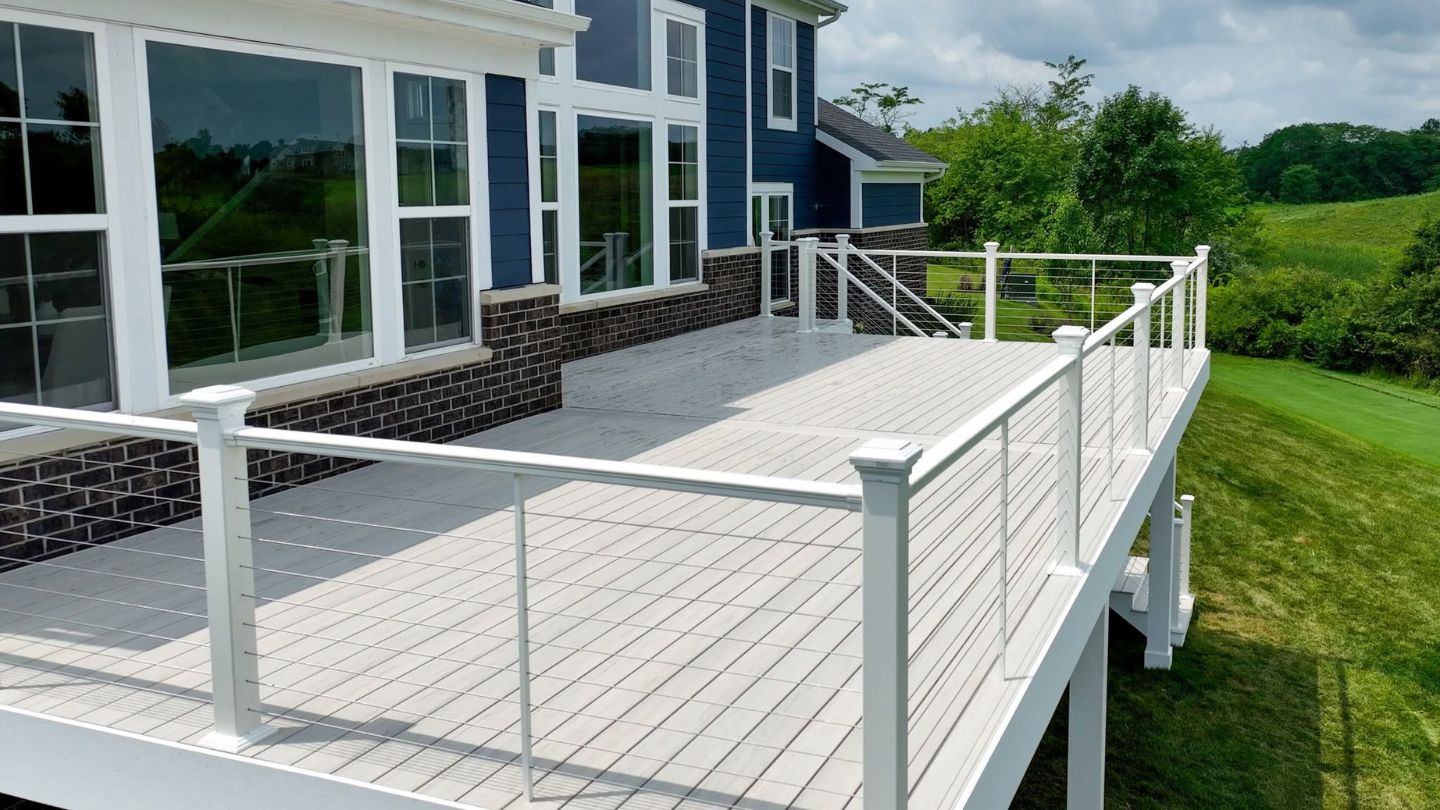
Composite decking gives homeowners a wide range of colors and finishes for a backyard that complements the home and garden. Its wood-inspired appearance can create a welcoming outdoor space for relaxing, dining, and entertaining.
A Practical Choice for Everyday Living
Composite also requires less routine maintenance than traditional wood, making it a practical option for homeowners who want to spend more time enjoying the deck. When comparing composite and aluminum, consider the style you want and how you plan to use the space. For many residential projects, composite brings together design flexibility and easier upkeep.
Choose the Deck That Feels Right at Home
Composite and aluminum each have qualities that can suit particular projects. For many backyard decks, composite stands out for its wood-inspired appearance, range of designs, and reduced routine upkeep. Comparing specific products and considering how you’ll use the space can help you choose with confidence.
For homeowners leaning toward composite, Woodland Deck Company offers options from brands including Trex, TimberTech, AZEK, and Deckorators. Our team can help you compare styles and choose products that suit your plans, whether you’re building a new deck, remodeling, or resurfacing an existing one.
Once you’ve narrowed down the decking, we can help you plan the rest of your outdoor space, too. Our deck installation in Columbus can include pergolas and shade structures for added shade or deck lights for evenings outside. If your current deck needs an update, our custom deck remodeling and redecking services may fit your project. Contact us to talk through your plans and the options for your home.