A patio cover can completely change how much time you spend outside, but one of the first decisions has nothing to do with style. It is whether the structure attaches to the house or stands on its own in the yard. That single choice shapes the look, the cost, the permitting, and even where the cover can go. Both approaches create comfortable, shaded space, yet they suit different homes and different goals. This blog breaks down how each one works, what it offers, and how to decide which layout fits your property best.
Key Takeaways
- An attached cover connects to the house, while a freestanding cover stands on its own posts.
- Attached covers extend the home and often feel like a natural continuation of an interior room.
- Freestanding covers can be placed anywhere in the yard, including over a detached patio or pool.
- Roofline, existing structure, and yard layout all influence which option works better.
- A professional weighs site conditions, permitting, and goals before recommending a layout.
Two Ways to Cover the Same Patio
When homeowners begin comparing freestanding and attached patio covers, the core difference is simple: one leans on the house for support, and the other carries its own weight on posts set into the ground. That structural distinction drives nearly everything else about the project, from where the cover can sit to how it looks against the home.
Neither option is automatically better. The right choice depends on the shape of the yard, the location of the patio, the rooflines of the house, and how you picture using the space. Understanding how each type behaves is the first step toward a confident decision.
How Attached Covers Work
An attached cover connects directly to the house, usually tying into the wall or roofline with a ledger board and matching slope. Because it borrows support and visual lines from the home, it tends to read as a seamless extension of an interior room, which is ideal for covering a patio right outside a kitchen or living area.
This style does depend on the house having a suitable spot to attach, and the connection must be flashed and sealed carefully to keep water out. Homeowners sometimes compare it to open structures while reading about the difference between a pergola and a patio cover, since the attachment point and roof style together determine how much shade and protection the finished space provides.
How Freestanding Covers Work
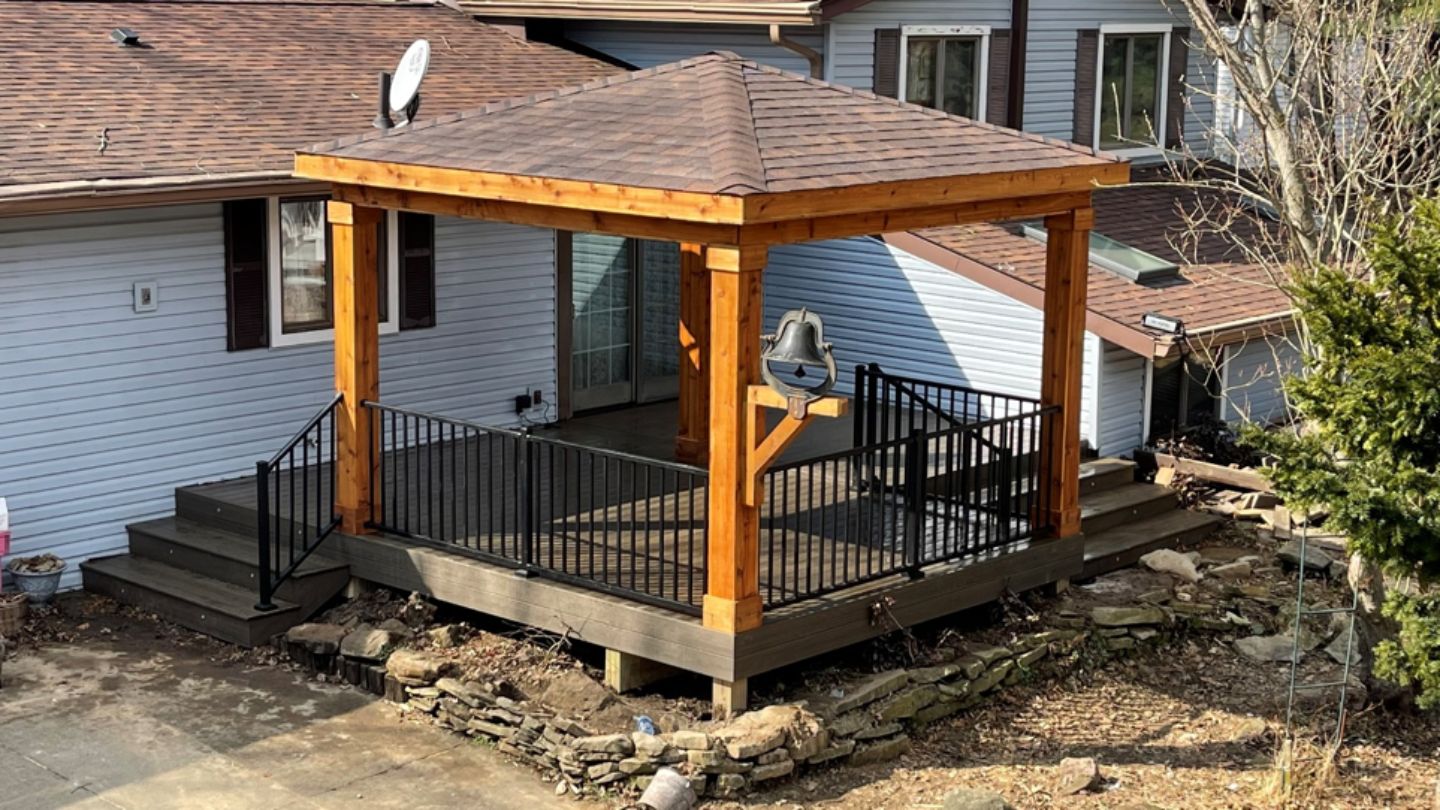
A freestanding cover stands entirely on its own footings and posts, independent of the house. That independence is its biggest strength, because it can be placed almost anywhere, over a patio across the yard, beside a pool, or around an outdoor kitchen that sits away from the home.
Because it does not touch the house, a freestanding structure avoids any concern about the roofline or wall attachment, though it does require its own full support system. The same flexibility that lets it go anywhere also makes it a natural companion to a detached patio, much like deciding whether a deck or a patio is the better fit for a particular part of the yard.
Weighing the Advantages of Each
Looking honestly at the benefits of freestanding and attached patio covers makes the choice clearer. Attached covers usually cost more, since there is typically extra work and engineering to properly attach to the house for support. This extra cost however makes the space feel integrated with the home, as though the room simply continued outdoors.
Freestanding covers trade that integration for freedom of placement and a true destination feeling within the yard. They can become a focal point in their own right, define a separate outdoor zone, and avoid any work on the existing house structure. Each set of advantages appeals to different priorities.
Matching the Layout to Your Yard
The property itself often settles the debate. A patio tucked against the back of the house with a compatible roofline is a natural fit for an attached cover. A patio set out in the yard, a poolside lounging area, or a spot chosen for its view usually calls for a freestanding structure instead.
Practical factors weigh in as well, including where utilities run, how the land slopes, and how the finished cover will look from both the yard and inside the house. Mapping these conditions against your goals is what points clearly toward one layout or the other.
Making the Final Decision
Knowing how to choose between freestanding and attached patio covers comes down to matching the structure to the site and to the way you want to use the space. Start with where the cover needs to go, then consider the house, the budget, and the look you are after. In many cases, the location alone narrows the options considerably.
This is also where professional guidance pays off, since a builder can spot attachment opportunities, drainage considerations, and permitting factors that are easy to overlook. A short conversation about the site often turns an uncertain choice into an obvious one.
Cost and Permitting Differences
Budget often plays a role in the decision between the two layouts. An attached cover tends to cost more, even though it requires fewer independent footings and posts. Most structures need special engineering and involve extensive rework of the existing structure to properly attach. A freestanding structure carries its full weight on its own framework, and can be seamlessly integrated into the new deck structure being built.
Permitting applies to both, since each is a permanent structure, but the details differ. An attached cover involves the connection to the house and how that affects the existing roof and wall, while a freestanding cover is reviewed as its own standalone structure. An experienced contractor handles these approvals as part of the process and sizes each design for local code and load requirements.
How Each Option Holds Up Over Time
Both layouts last for decades when built well, but they age in slightly different ways. An attached cover shares the fate of the wall it connects to, so proper flashing and sealing at that junction are essential to prevent water intrusion over the years. When that connection is done right, the cover and the house weather the seasons together.
A freestanding cover has no such connection to maintain, which can simplify long-term upkeep, though its independent posts and footings must be set properly to stay stable through freeze and thaw cycles. In both cases, quality construction and the right materials matter far more to longevity than the choice of layout itself.
Thinking Beyond the Cover Itself
The structure is only part of what makes a covered patio enjoyable. How it connects to the surrounding space, where the light falls in the evening, and how furniture fits underneath all shape whether the finished area gets used daily or sits empty. These considerations apply equally to both freestanding and attached designs.
Planning for lighting, airflow, and the flow between the cover and the rest of the yard turns a simple roof into a genuine outdoor room. Whichever layout you choose, thinking through how the space will actually function day to day is what ensures it earns its place in your routine.
Furniture, Flow, and Everyday Use
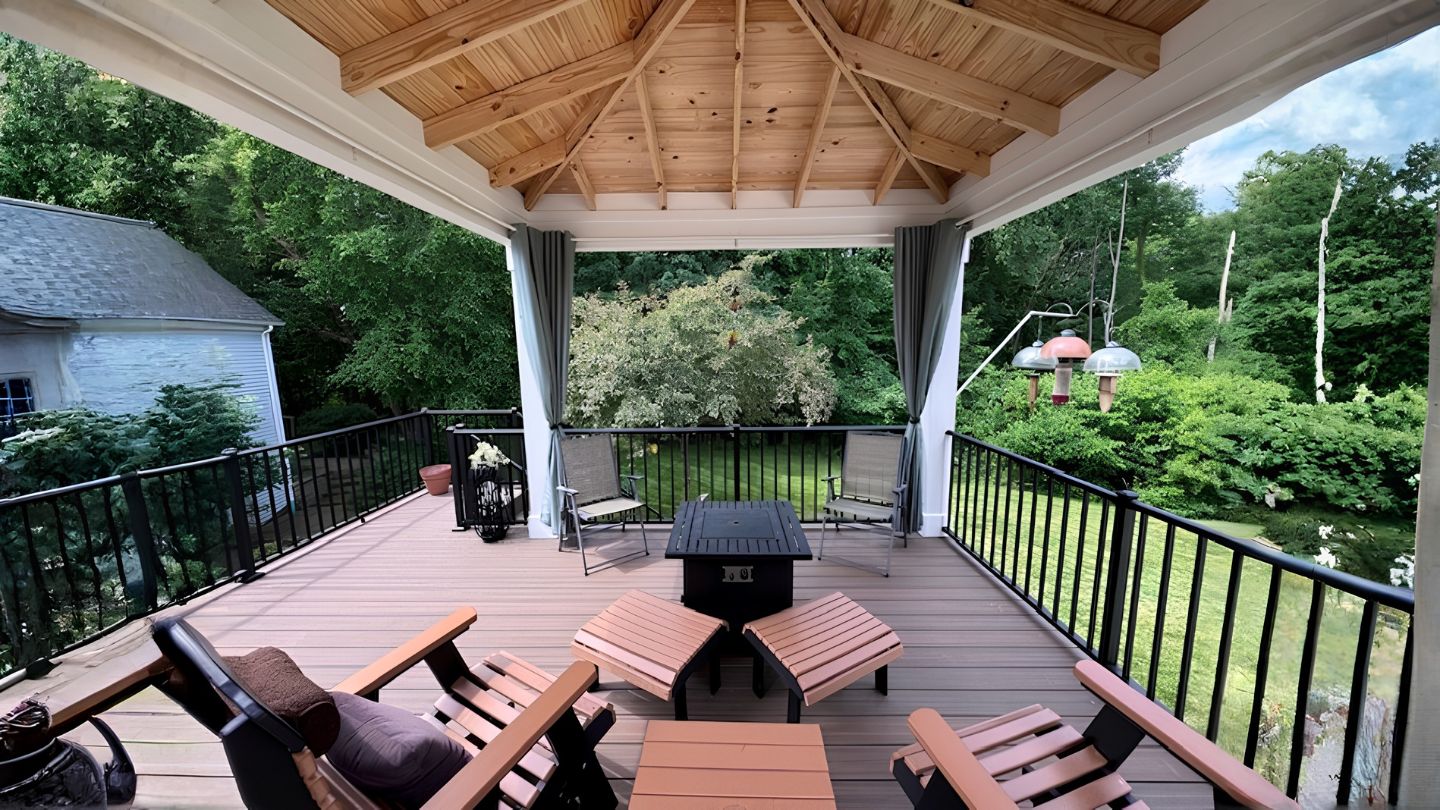
The layout you choose also affects how the space works once the furniture arrives. An attached cover often suits a dining set positioned just outside the kitchen, keeping meals and gatherings close to the house. A freestanding cover can anchor a lounge area or an outdoor kitchen set deliberately away from the home, creating a distinct destination in the yard.
Thinking about how people will move between the house, the covered area, and the rest of the yard helps confirm the choice. When the layout matches the way the space will actually be used, the finished cover feels natural from the first day, whichever structure supports it.
Finding the Cover That Fits Your Home
Both freestanding and attached patio covers can turn an exposed slab into a comfortable, shaded retreat. The better choice depends on where the space sits, how your home is built, and what you want the finished area to feel like. Attached covers extend the house and keep the cost reasonable, while freestanding covers offer placement anywhere and a sense of their own space. Weighing those tradeoffs against your yard leads to a cover that feels like it belonged there all along.
If you are exploring patio covers in Columbus, Northeast Ohio, or Pittsburgh, the experts at Woodland Deck Company would be glad to help you decide. Our team designs pergolas and shade structures in both layouts, handles custom deck remodeling and redecking so everything coordinates, and installs deck lights that keep the space inviting after sunset. Contact us to talk through your yard and find the layout that fits.