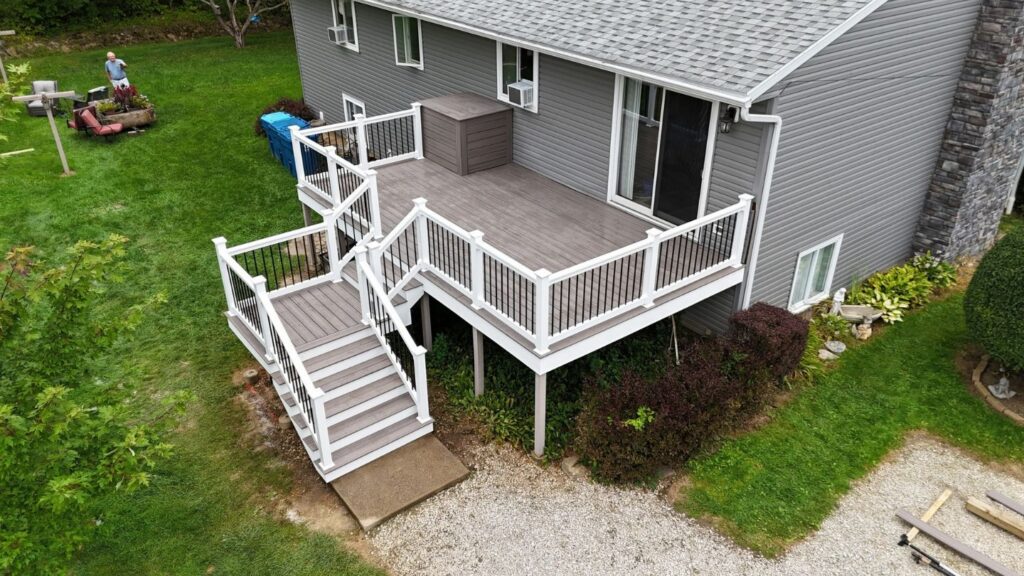
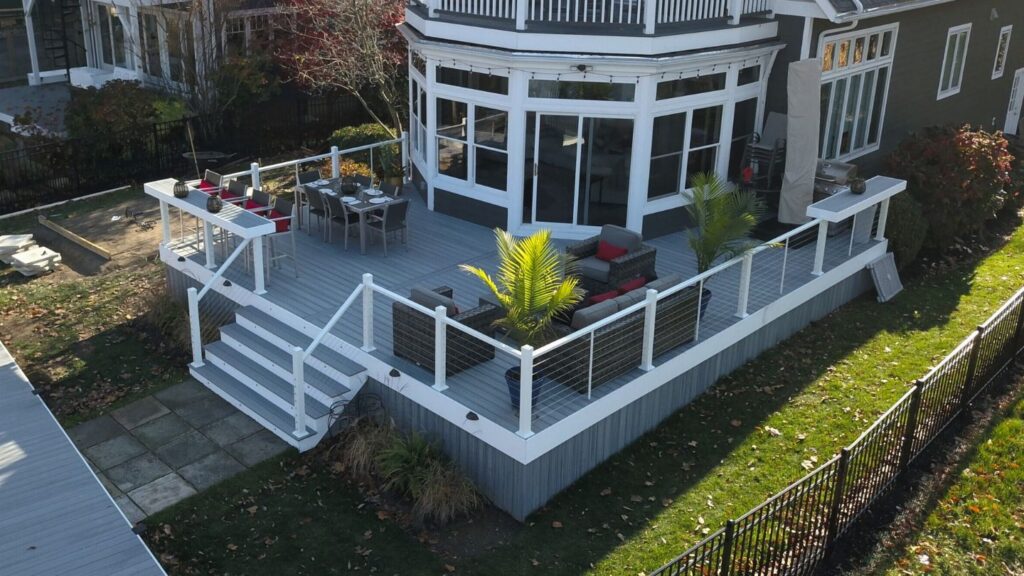
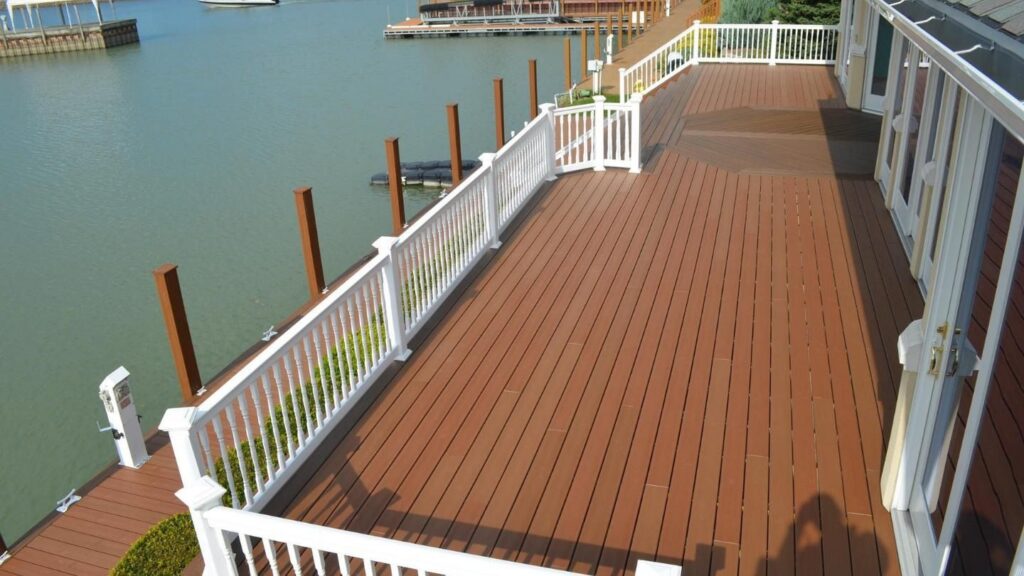
Designing the perfect outdoor space begins with one of the most important decisions a homeowner can make: selecting the right decking material. When comparing PVC vs. composite decking, many homeowners want clarity on durability, maintenance, appearance, and long-term value. Understanding the difference between composite and PVC decking helps ensure your deck is not only beautiful but built to last.
Both composite decking and PVC decking have transformed modern deck design. They offer impressive performance, minimal maintenance requirements, and enhanced aesthetic appeal compared to traditional wood decking. However, there are key distinctions between composite and PVC decking that homeowners should understand before investing in their new deck.
Understanding Composite Decking
Composite decking is a highly engineered decking material designed to deliver the look of natural wood without the extensive maintenance associated with traditional wood. It is typically made from a blend of recycled material, including wood fiber and recycled plastic. This combination creates a durable composite wood product that resists wear while maintaining a real wood look.
Unlike traditional composite products of the past, modern composite decking material has advanced significantly. Capped composite decking features a protective outer layer that enhances resistance to moisture and surface damage. This protective shell helps preserve the beauty of composite decking boards over time, making them a preferred choice for homeowners seeking low-maintenance performance. The long-term performance characteristics and structural durability often discussed when evaluating the benefits of composite decking align closely with how composite boards are engineered for strength, stability, and aesthetic consistency in outdoor environments.
Composite decking provides the warmth and texture of natural wood while reducing the need for staining or sealing. Because the composite boards are engineered with wood pulp and synthetic material blends, they offer strength and stability that traditional wood cannot consistently maintain.
Many homeowners exploring PVC decking vs composite options are drawn to composite decking because it offers the charm of traditional wood with the benefit of long-term durability. A composite deck delivers elegance, structural integrity, and a comfortable surface ideal for outdoor gatherings.
Exploring PVC Decking
PVC decking is a high-performance synthetic material designed for durability and moisture resistance. Unlike composite decking, PVC decking contains no wood fiber. Instead, it is crafted entirely from advanced PVC, offering exceptional strength and longevity. Understanding what you need to know about PVC decking includes examining how fully synthetic boards differ structurally from composite materials and traditional wood decking.
Because PVC deck boards are manufactured without wood pulp or organic fillers, they provide enhanced protection against moisture and environmental exposure. This makes PVC decking board products ideal for homeowners who want minimal maintenance and maximum resilience.
Advanced PVC decking is engineered to maintain its structure and color, delivering consistent beauty throughout the years. Many modern PVC boards are designed with textured finishes that replicate the appearance of real wood while delivering superior performance. The result is a PVC deck that combines sleek design with outstanding durability.
When evaluating PVC decking pros, homeowners often appreciate its lightweight composition and reliable performance. It offers strong structural integrity and requires minimal upkeep, making it a popular decking material for busy families who want to enjoy their outdoor space without constant maintenance demands.
The Difference Between Composite and PVC Decking
The primary difference between PVC and composite decking lies in their composition. Composite decking includes wood fiber blended with recycled plastic, while PVC decking is made entirely from synthetic material.
This difference impacts both structure and feel. Composite decking boards offer the subtle texture and warmth of natural wood because they contain wood fiber. PVC decking, on the other hand, delivers a sleek and consistent surface thanks to its fully synthetic construction.
Another important factor in PVC vs. composite decking comparisons is weight and density. Composite boards tend to be heavier due to the wood content, while PVC boards are lighter yet highly durable. Both materials provide low-maintenance performance compared to traditional wood decking. Questions surrounding how long composite decking lasts are often tied to factors such as board composition, capped protection layers, and environmental exposure.
Homeowners considering composite vs. PVC deck options should focus on how they want their deck to look and feel. Composite decking offers a slightly more natural wood aesthetic, while PVC decking delivers modern performance and durability with a polished finish.
Maintenance and Long-Term Performance
Maintenance is often the deciding factor when choosing decking. Traditional wood requires consistent staining, sealing, and upkeep to preserve its appearance. Wood decking, especially traditional wood decking, demands time and attention to protect against wear.
Composite decking and PVC decking both offer low-maintenance advantages. Capped manufactured decking products are designed to resist fading and surface damage. Homeowners can enjoy their deck without the labor-intensive upkeep associated with real wood. The broader advantages of PVC decking for your outdoor space are often associated with its resistance to moisture, minimal maintenance requirements, and long-term structural consistency.
PVC decking, particularly advanced PVC options, offers minimal maintenance and excellent moisture resistance. Composite decking also provides reliable durability, especially with capped composite decking systems that protect the core material.
Both materials support long-term beauty and structural integrity, giving homeowners peace of mind and more time to enjoy their outdoor space.
Aesthetic Appeal and Design Flexibility
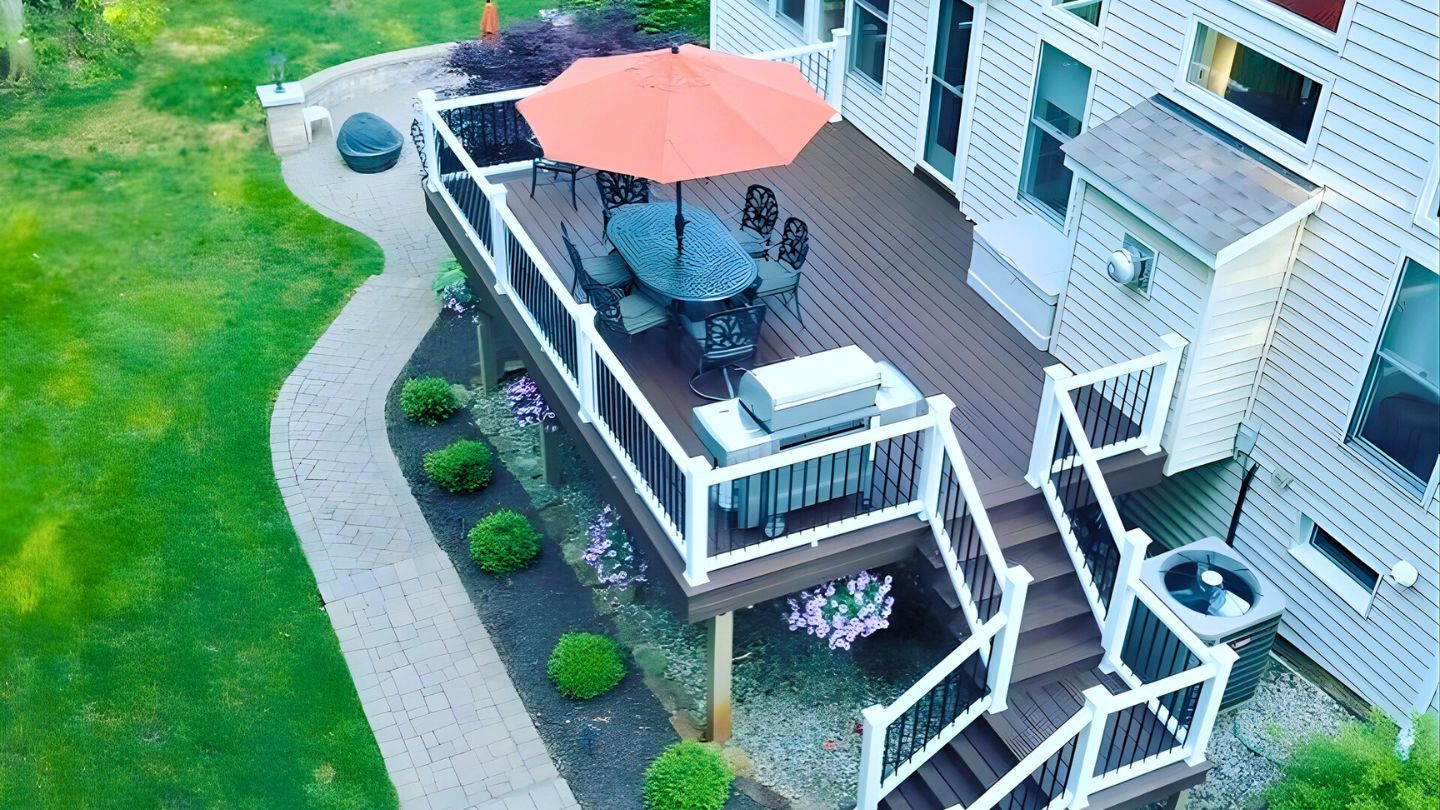
A deck should complement your home’s architecture and enhance its aesthetic appeal. Composite decking boards and PVC decking board products are available in a wide range of finishes and colors that replicate natural wood tones.
Many collections are designed to mimic the depth and grain of real wood. For example, some premium lines feature distinctive textures similar to traditional wood while maintaining the benefits of synthetic performance. The vintage collection styles available in select advanced PVC and composite decking lines create rich, authentic finishes that elevate any outdoor space.
Because PVC decking vs composite comparisons often come down to appearance preferences, working with experienced professionals ensures you select the right decking material for your design goals.
Environmental Impact and Sustainability
Sustainability plays a growing role in decking decisions. Composite decking often incorporates recycled material such as recycled plastic and reclaimed wood fiber. This approach reduces environmental impact while delivering strong, reliable performance.
PVC decking, made from synthetic material, also offers long-lasting durability that reduces replacement frequency. Both composite and PVC decking contribute to long-term sustainability through extended product life and reduced maintenance requirements.
Homeowners who value environmental responsibility often find composite decking material especially appealing due to its recycled plastic and wood pulp composition.
Comparing PVC vs Composite Decking for Your Outdoor Space
When evaluating PVC vs. composite decking, consider how you plan to use your deck. A family-focused outdoor space designed for entertaining may benefit from the textured warmth of composite boards. A high-performance environment exposed to moisture may favor advanced PVC decking.
The difference between composite and PVC decking ultimately comes down to composition, feel, and design preference. Both provide superior alternatives to traditional wood decking and enhance the longevity of your deck.
Whether you choose composite decking or PVC decking, professional installation ensures your deck is structurally sound and visually stunning. Proper design, expert construction, and precision installation maximize the performance of your chosen decking material.
Professional Deck Design Matters
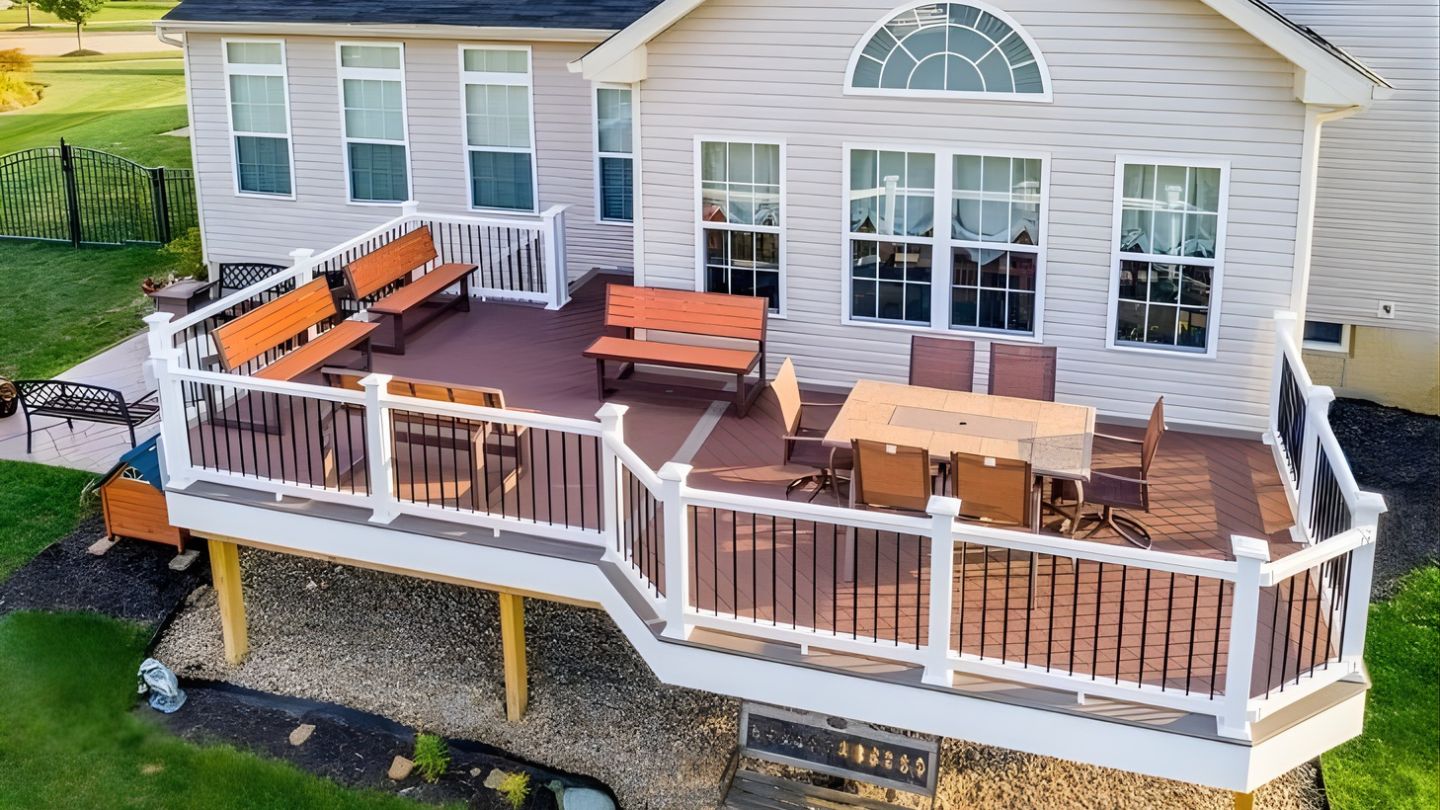
Choosing between composite or PVC decking is only part of the process. The expertise of professional deck builders ensures your decking material performs as intended. Every deck board must be properly secured and aligned to maintain structural integrity and long-term beauty.
From composite deck installations to PVC deck builds, professional craftsmanship guarantees that your outdoor space becomes a true extension of your home. The right design approach ensures that your decking enhances your property’s value and functionality.
Investing in composite decking boards or PVC deck boards is a significant decision. Partnering with experienced professionals ensures that your deck is constructed to meet high standards of durability, safety, and visual appeal.
Conclusion
Understanding the difference between composite and PVC decking gives homeowners the clarity needed to choose a decking material that aligns with their lifestyle, design goals, and long-term expectations. Whether comparing PVC vs composite decking for durability, aesthetic appeal, or maintenance needs, both composite decking and advanced PVC decking offer exceptional performance beyond traditional wood decking. By selecting the right composite or PVC decking solution, you can create a deck that enhances your outdoor space, delivers low-maintenance convenience, and preserves the beauty of natural wood-inspired design for years to come.
As experienced deck builders in Columbus, Woodland Deck Company specializes in crafting custom composite and PVC decks designed with precision, structural integrity, and lasting value in mind. Our team carefully guides homeowners through the PVC decking vs. composite decking decision, ensuring the selected material complements both the home and the surrounding outdoor space. In addition to new deck construction, we also provide redecking, custom deck remodeling, and deck resurfacing, and expertly install deck lights in Strongsville, OH, to further elevate the beauty, functionality, and longevity of your outdoor living space. We proudly serve homeowners throughout Ohio and Pennsylvania, bringing elevated deck design and construction standards to every community we work in. Ready to design a deck that stands above the rest? Contact us today.