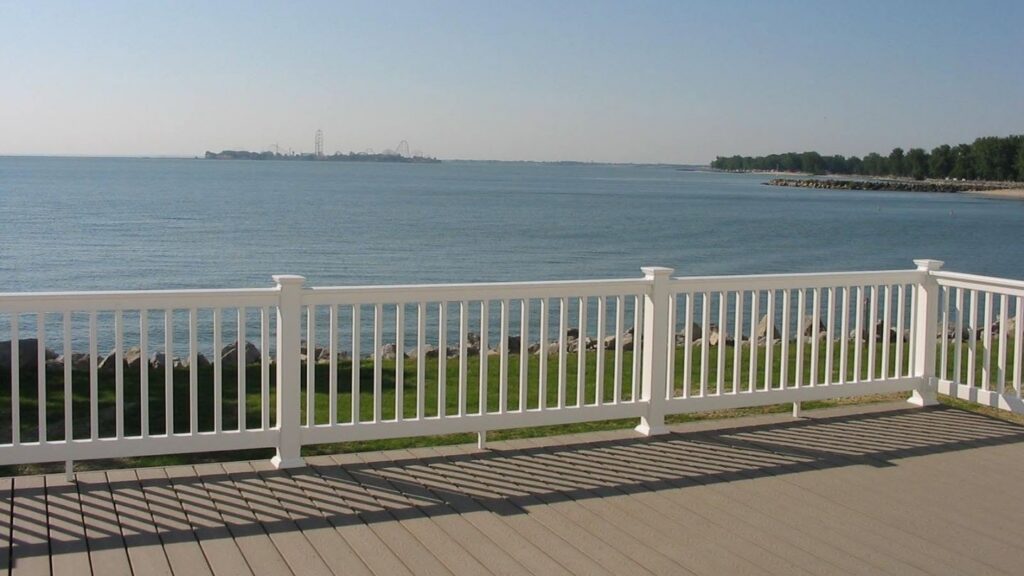
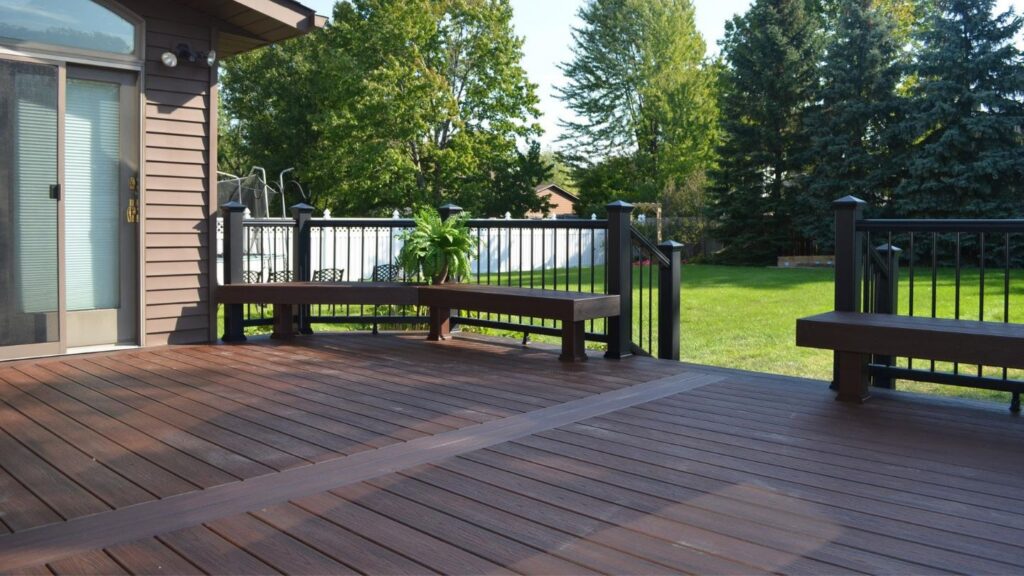
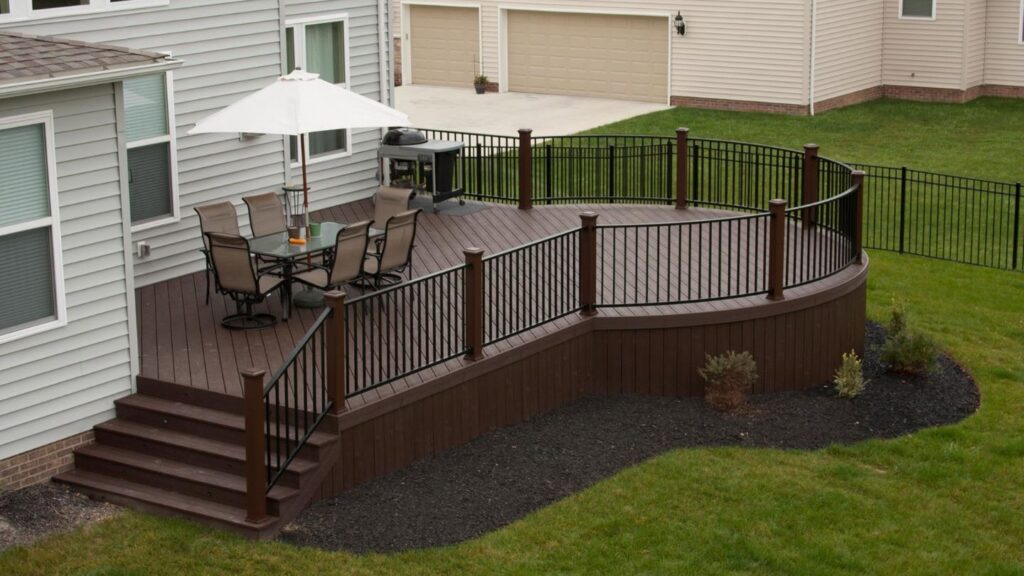
Any surface sitting in direct July sun warms up, whether it is a driveway, a patio slab, a pool deck, or a boat dock. So the real question homeowners are asking is not whether a deck gets warm, but how to plan one that stays comfortable through the hours they actually want to be outside. That turns out to be a design question with straightforward answers. In this blog, we’ll discuss what influences surface temperature and the choices that keep a deck pleasant on the hottest afternoons of the year.
Key Takeaways
- Every outdoor surface warms in direct sun, and color is the biggest single factor.
- Lighter shades reflect more light and stay noticeably cooler than deep tones.
- Shade structures do more for comfort than any other design decision.
- Orientation, airflow, and surroundings all shape how a deck feels at midday.
- Planning for sun exposure during design costs nothing and pays off every summer.
What Actually Drives Surface Temperature
Three things determine how warm any deck surface gets: how much direct sun reaches it, how much of that light the color reflects rather than absorbs, and how freely air moves across it. Those same three variables apply to a stone patio, a concrete pool surround, or a painted porch floor. Nothing about outdoor flooring escapes them, which is why the conversation is really about site planning rather than about any one material.
Homeowners asking whether composite decking gets hot in the sun are usually thinking about one specific scenario: barefoot, midafternoon, in full exposure. That is the hardest condition any deck surface faces. Shift any one of those three variables, by adding overhead cover, choosing a lighter shade, or improving airflow, and the experience changes significantly. Shift two of them and the question stops coming up at all.
Color Does More Work Than Anything Else
The single most effective lever is color, and it is decided at the same moment you are already picking shades for appearance. Light tones reflect a larger share of the sunlight hitting them, while deep charcoals and dark browns absorb more of it. The difference between the lightest and darkest options in a product line is substantial on an exposed deck, and it is noticeable within seconds of stepping outside without shoes.
This does not mean dark colors are off the table. A deep shade under a solid patio cover, on a north-facing deck, or in a yard with mature tree canopy behind the house will never see the conditions that make color matter. Matching the shade to the exposure is the practical approach, and it sits alongside the other benefits of composite decking that homeowners weigh when selecting a surface they will not have to refinish year after year.
Shade Is the Most Effective Change You Can Make
Nothing lowers surface temperature like keeping direct sun off it in the first place. A pergola, patio cover, louvered roof, or shade sail transforms how a deck feels during the hours it would otherwise sit empty. Even partial coverage over the main seating and dining zone makes a dramatic difference, because those are the spots where people linger and where bare feet spend the most time.
Overhead structures also change the deck’s role in the household. A covered area stays usable through a midday stretch that would otherwise send everyone indoors, and it protects furniture, cushions, and outdoor electronics from constant sun exposure. For households that want to use the deck across the full day rather than only in the evening, a shade structure is usually the highest value addition on the plan.
Orientation and the Path of the Sun
Which way a deck faces decides when it bakes. West-facing surfaces take the full force of late afternoon sun, exactly when families tend to gather outdoors. South-facing decks get sustained exposure through the middle of the day. East-facing decks warm in the morning and cool off by afternoon, often making them the most comfortable option in summer without any intervention at all. Designers read the site before recommending anything.
Airflow, Elevation, and Surroundings
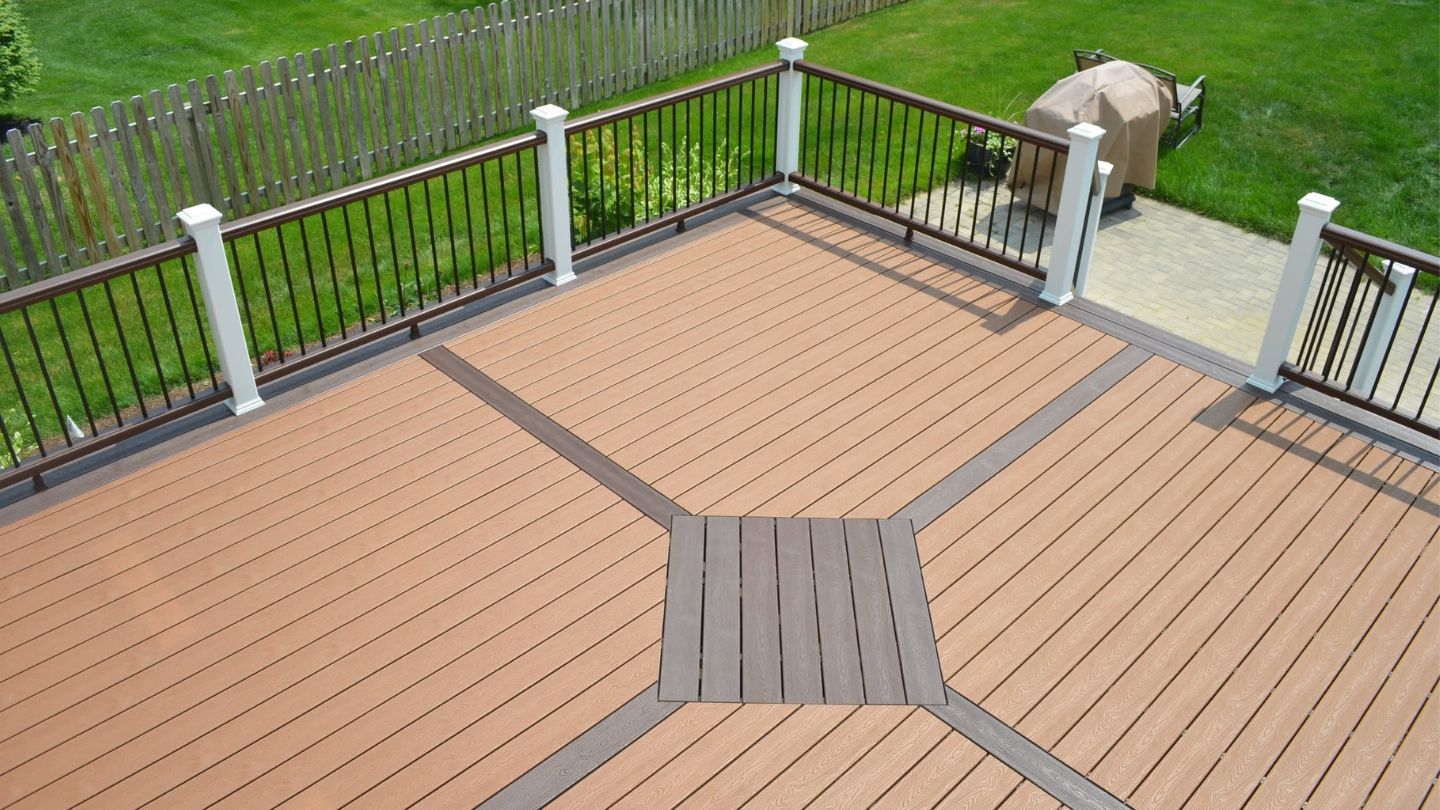
Heat lingers where air does not move. A deck boxed in by solid privacy walls, tall fencing, or a tight courtyard holds warmth far longer than one open on two or three sides. Elevated decks catch more breeze and tend to feel cooler than ground-level platforms at the same orientation, which is one reason height and comfort are worth discussing together during design.
When homeowners ask whether composite decking gets hot in sun-exposed corners of the yard, the answer often has as much to do with enclosure as with the surface itself. Opening up one side, raising a privacy screen slightly off the deck, or leaving a gap at the base of a wall can let enough air through to change how the area feels on a still afternoon.
What surrounds the deck matters as well. Light colored siding, large windows, and pale hardscaping all reflect additional sunlight onto the surface, while trees, planting beds, and pergola plantings do the opposite. Homeowners sometimes find that the issue is not the deck at all but a bright wall bouncing afternoon light directly onto it, which a well-placed privacy panel or planting can solve.
Practical Choices That Improve Comfort
Typing composite decking hot in sun into a search bar usually means someone is after solutions rather than a verdict, and the useful ones are easy to build into a plan. Most cost little or nothing when they are decided during design rather than added afterward, and together they handle the hottest weeks of summer comfortably.
- Choose a lighter shade for areas with full, unbroken exposure
- Cover the primary seating and dining zone with a shade structure
- Keep at least two sides open so air moves across the surface
- Use outdoor rugs in the spots where bare feet spend the most time
- Position the deck or its zones to suit the hours you use them
Matching the Product Line to the Site
Composite decking is not a single product, and the lines available today differ in surface texture, cap technology, color range, and how each shade performs in exposed conditions. A board that suits a shaded, tree-lined yard is not necessarily the one that suits an open lot facing west with no cover planned. Reviewing the types of composite decking alongside the site conditions is how that choice gets made properly.
Manufacturers publish color and performance information for every line, and an experienced builder can tell you how particular shades behave on comparable decks they have installed locally. That firsthand perspective is often more useful than a sample board under showroom lighting, because it reflects the actual conditions a deck in your area faces through July and August.
Asking the Right Questions During Design
Does composite decking get hot in the summer is a reasonable question to put directly to whoever is designing your deck, and the answer you get tells you something. A builder who walks the yard, notes the orientation, asks when you plan to use the space, and recommends a color and shade strategy around that is doing the work properly. One who treats the question as irrelevant is skipping a part of the design that affects you every summer.
It belongs on the same list as framing, drainage, and material selection when you are choosing the right deck builder for a composite deck project. The homeowners who are happiest with their decks years later are usually the ones who raised comfort and exposure at the first meeting, while the layout was still flexible enough to respond to the answers.
Keeping the Surface in Good Shape
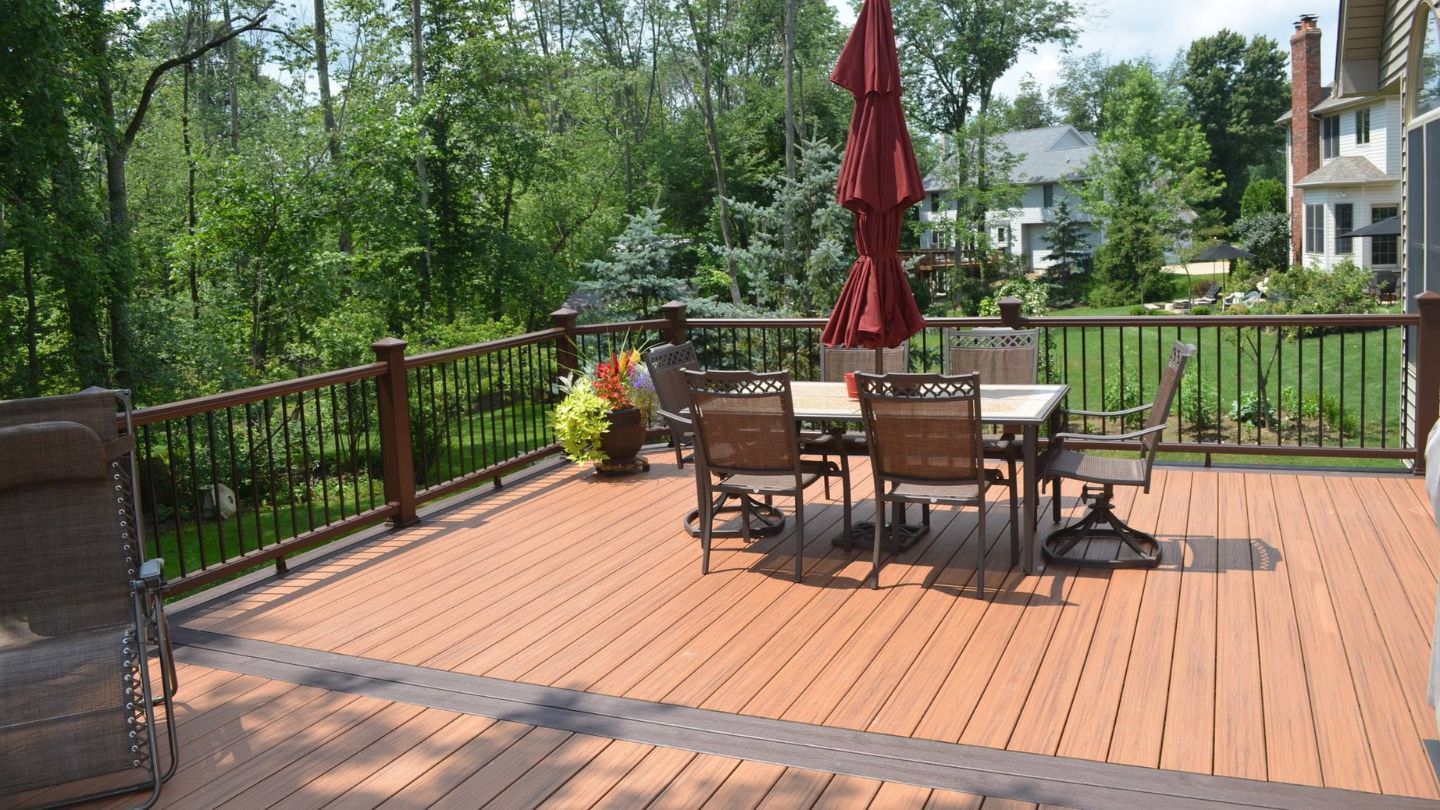
Routine care keeps a deck looking and performing its best regardless of exposure. Composite surfaces need far less attention than alternatives that require sanding, staining, and sealing on a schedule, and a periodic wash handles most of what accumulates over a season. Cleaning a composite deck is straightforward, and keeping the surface clear of debris and standing dirt helps it look it best over time.
Designing a Deck That Stays Comfortable All Summer
Sun exposure is a design variable, not a surprise. Color choice, overhead cover, orientation, and airflow all shape how a deck feels on the hottest afternoon of the year, and every one of them is settled during planning rather than discovered later. Get those right, and the question of whether composite deck boards get hot in the sun becomes academic, because the deck simply works the way you wanted it to from morning through evening.
If you are looking for a custom deck company in Columbus, Northeast Ohio, or Pittsburg to help plan a space built around your yard’s exposure, Woodland Deck Company is glad to walk the property with you. Our team designs pergolas and shade structures that keep seating areas comfortable, installs deck lights for after-sunset use, and handles custom deck remodeling and redecking with site conditions in mind. Contact us to discuss your plans, and we will help you build something you’ll enjoy all season.