Outdoor living spaces have evolved into carefully designed extensions of the home, where comfort, style, and structure work together to create inviting environments. When homeowners look to enhance these spaces, architectural features such as arbors and pergolas often come into consideration. While they may appear similar at first glance, understanding the distinction between these structures is essential for making an informed decision that aligns with your outdoor vision. Exploring the arbor vs pergola conversation helps clarify which option best supports your design goals, lifestyle needs, and long-term outdoor plans.
Choosing between these two structures is not simply a matter of appearance. It involves understanding how each feature functions, how it integrates with decks and patios, and how professional design and construction elevate both form and performance. To fully appreciate the difference between an arbor and a pergola, it helps to look closely at their purpose, design characteristics, and role within a professionally planned outdoor environment.
Understanding Outdoor Architectural Features
Outdoor structures serve both aesthetic and functional purposes. They create visual interest, define spaces, and add architectural depth to landscapes and decks. When thoughtfully designed, these features also contribute to how an outdoor area is used, whether for entertaining, relaxing, or enhancing curb appeal. Arbors and pergolas are among the most popular additions because they offer structure without fully enclosing the space, allowing homeowners to enjoy openness while benefiting from defined design elements.
Understanding the difference between a pergola and an arbor begins with recognizing how each structure contributes differently to an outdoor setting. While both are open-air features, their scale, placement, and purpose vary significantly. Professional design ensures that whichever option you choose feels intentional and cohesive rather than decorative alone.
What Is an Arbor?
An arbor is typically a smaller, more decorative outdoor structure designed to create a visual focal point. Often used to frame entryways, garden paths, or transitions between outdoor spaces, arbors provide a sense of arrival and architectural charm. Their design usually consists of vertical posts supporting an arched or flat lattice-style top, creating an elegant and inviting presence.
Arbors are frequently incorporated into landscape designs as accent features that enhance visual flow rather than define functional living areas. Because of their scale, they are often positioned near walkways, gates, or garden entrances. When professionally designed, an arbor complements surrounding elements such as decks, railings, and plantings, ensuring the structure feels integrated rather than separate. An arbor is less about creating a living space and more about highlighting specific areas of the landscape or deck through architectural detail.
What Is a Pergola?
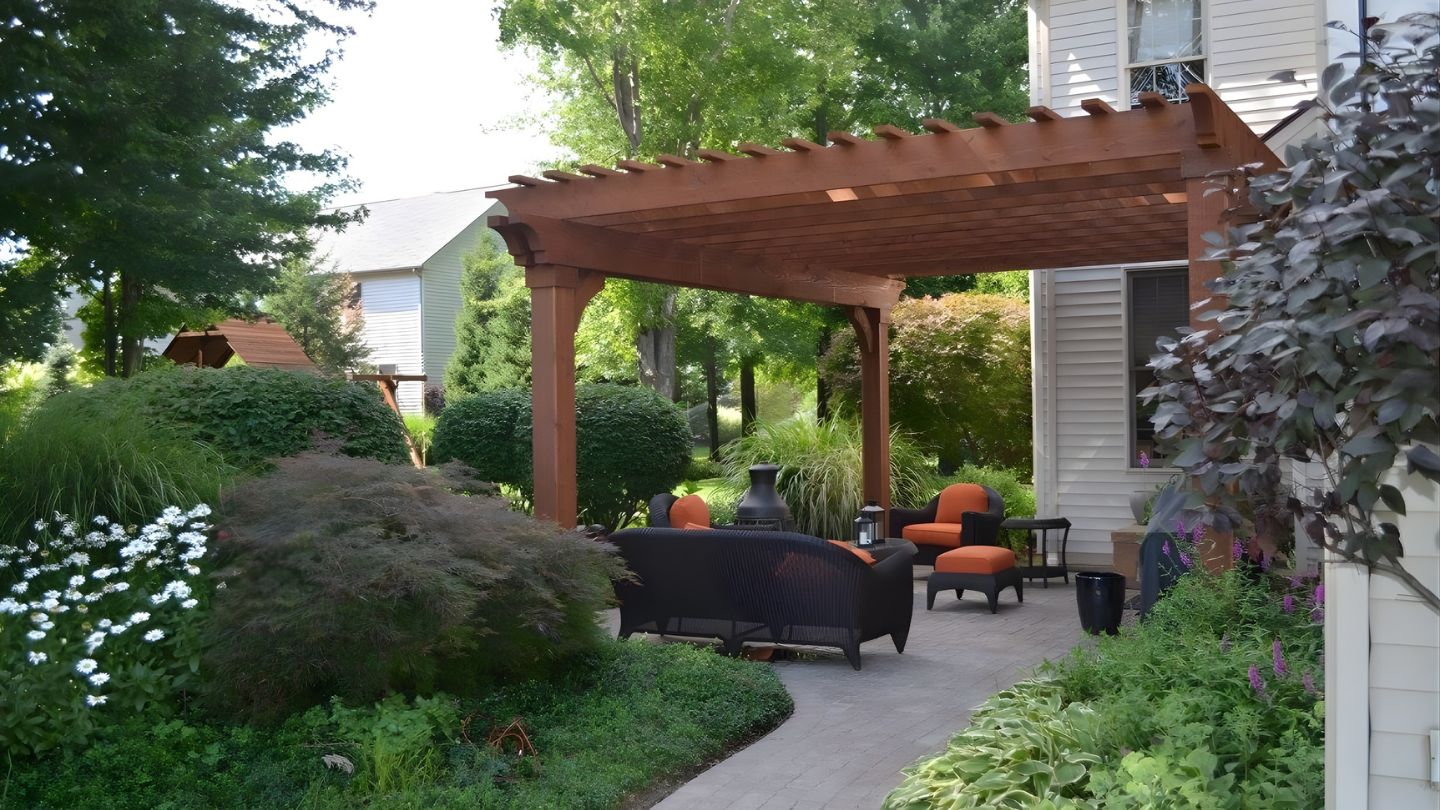
A pergola is a larger outdoor structure designed to define and enhance usable outdoor living areas. Commonly installed over decks, patios, or seating areas, pergolas consist of vertical posts supporting an open-beam roof structure. This design creates a sense of enclosure while maintaining airflow and natural light, making it ideal for gathering, dining, or relaxing outdoors. When evaluating pergolas as an outdoor feature, homeowners often compare them with other covered structures to determine which option best supports openness, shade, and overall design intent.
Pergolas often serve as the backbone of outdoor living spaces, providing structure that can support lighting, ceiling fans, or other design elements. Their size and versatility make them a central feature rather than a decorative accent. When integrated into a deck design, a pergola adds architectural depth and elevates the overall outdoor experience. When homeowners ask what the difference is between a pergola and an pavilion, scale and function are among the most important distinctions. Pergolas are built to anchor outdoor living spaces, while arbors enhance visual transitions and focal points.
Arbor vs Pergola: Key Design Differences
The discussion of arbor vs pergola often centers on how each structure is used and perceived within a space. An arbor’s primary role is decorative, guiding movement and enhancing visual appeal. Its compact footprint makes it ideal for accenting gardens or marking entrances without overwhelming the surrounding area. A pergola, by contrast, is designed to support daily use. It defines space, provides partial overhead coverage, and integrates seamlessly with decks and patios. Pergolas are often customized to match the scale of the home and outdoor area, ensuring balance and cohesion throughout the design.
Pergolas are commonly paired with decks, outdoor kitchens, or seating areas, while arbors are used to complement landscaping features. Professional planning ensures that these structures enhance the overall design rather than compete with existing features.
Read More: Can You Build a Pergola on an Existing Deck?
How Function Influences Your Choice
Choosing between an arbor and a pergola depends largely on how you intend to use your outdoor space. If your goal is to enhance visual appeal, create a charming transition, or add architectural interest to a garden or pathway, an arbor may be the ideal solution. Its presence adds character without altering how the space is used.
If your vision involves creating a functional outdoor living area where people gather, relax, or entertain, a pergola offers greater versatility. Its structure supports design elements that enhance comfort and usability, transforming an open deck or patio into a defined extension of the home. Professional guidance ensures that the chosen structure supports both immediate enjoyment and long-term value. Pergolas serve multiple purposes beyond visual appeal, helping define outdoor areas, improve comfort, and enhance how spaces are used for gathering and relaxation.
Read More: How to Choose the Right Pergola Design for Your Deck
Integration With Deck Design
One of the most important considerations in the arbor vs pergola decision is how the structure integrates with a deck. Pergolas are frequently designed as part of the deck itself, creating a unified structure that enhances both appearance and usability. When incorporated into the original deck design or added as an upgrade, pergolas provide architectural continuity and visual balance.
Arbors, while less commonly attached directly to decks, can still complement deck designs when placed nearby. They may frame access points, connect pathways, or visually link landscaped areas with the deck. Professional design ensures these elements work together harmoniously rather than appearing disconnected. Understanding the difference between an arbor and a pergola in the context of deck integration underscores the importance of professional planning. Each structure must align with the deck’s layout, materials, and proportions to achieve a cohesive result.
Customization and Design Flexibility
Both arbors and pergolas offer opportunities for customization, but the scope of that customization differs significantly. Pergolas provide a larger canvas for design creativity, allowing for variations in size, beam spacing, and overall form. This flexibility makes them ideal for homeowners seeking a tailored outdoor living environment that reflects their personal style.
Arbors, while more compact, can still be customized through shape, detailing, and placement. A professionally designed arbor enhances its surroundings without overwhelming them, ensuring it feels purposeful within the broader landscape. When evaluating what is the difference between a pergola and an arbor, customization potential is a key factor. Pergolas allow for expansive design expression, while arbors focus on refined architectural accents.
Read More: The Ultimate Pergola Size Guide
The Importance of Professional Design and Construction
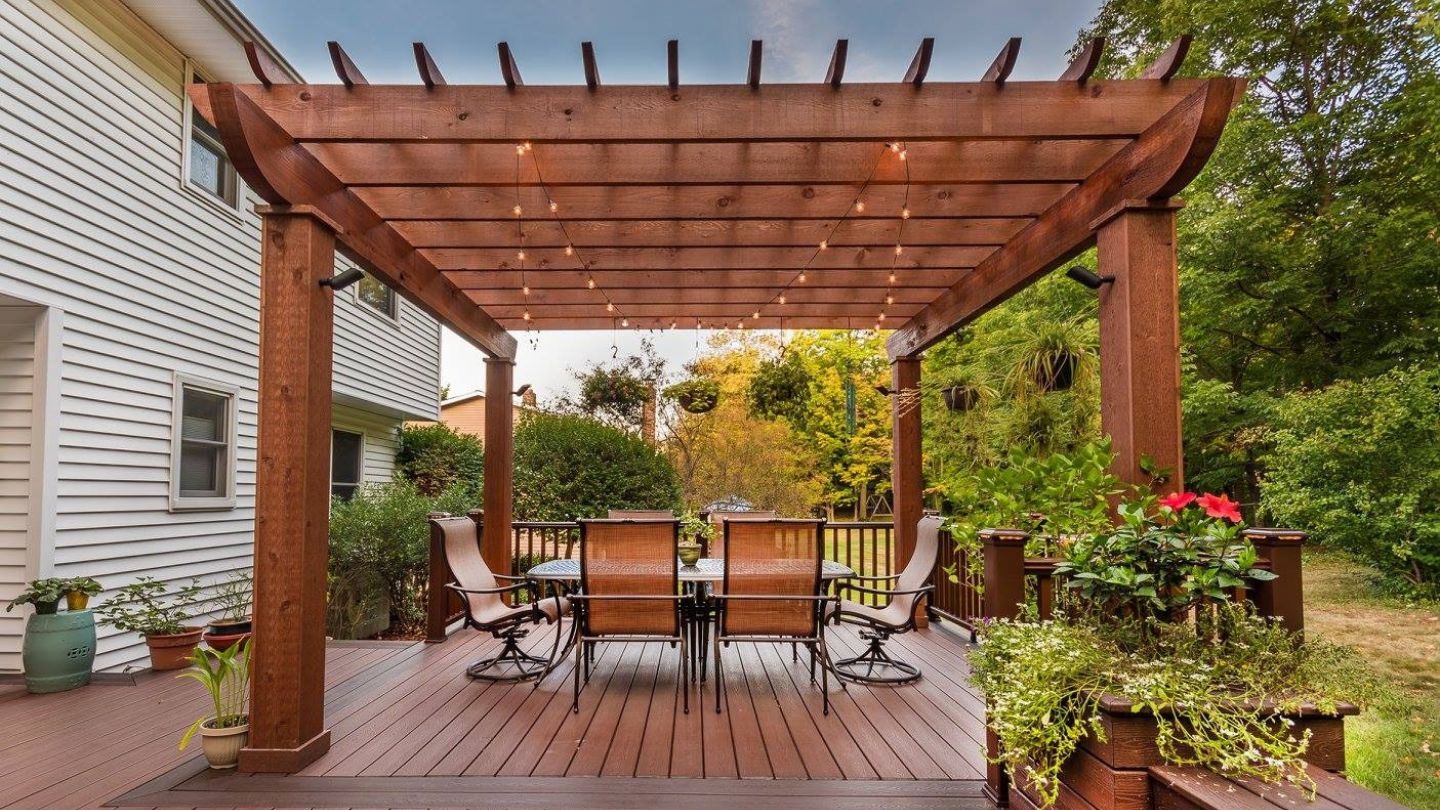
Outdoor structures require careful planning and skilled execution to ensure durability, safety, and visual appeal. Professional design accounts for factors such as spacing, proportions, and integration with existing features. This expertise ensures that both arbors and pergolas enhance the space rather than create maintenance or structural concerns. In addition to design and structural considerations, experienced professionals account for local requirements and approvals to ensure outdoor structures are planned and executed correctly.
Professional construction also ensures that materials are selected and installed correctly, supporting long-term performance and visual consistency. Rather than approaching these features as standalone additions, professionals view them as integral components of a cohesive outdoor design. Understanding the difference between arbor and pergola becomes clearer when guided by experienced professionals who consider how each structure fits within the overall outdoor environment.
Conclusion
Understanding the arbor vs pergola discussion helps homeowners make informed decisions about enhancing their outdoor spaces. While arbors provide decorative accents that frame and highlight specific areas, pergolas offer functional structures that define and elevate outdoor living environments. Recognizing the difference between arbor and pergola ensures that each feature serves a meaningful role within a professionally designed space.
At Woodland Deck Company, we specialize in creating outdoor environments that balance craftsmanship, functionality, and design continuity. As a custom deck contractor in Columbus, we proudly serve homeowners throughout Ohio and Pennsylvania through services such as custom deck design and building, custom deck remodeling, deck resurfacing, redecking, and integrated deck lighting. If you are ready to enhance your outdoor living area with professionally designed features, contact us today to begin creating a space you will enjoy for years to come.